
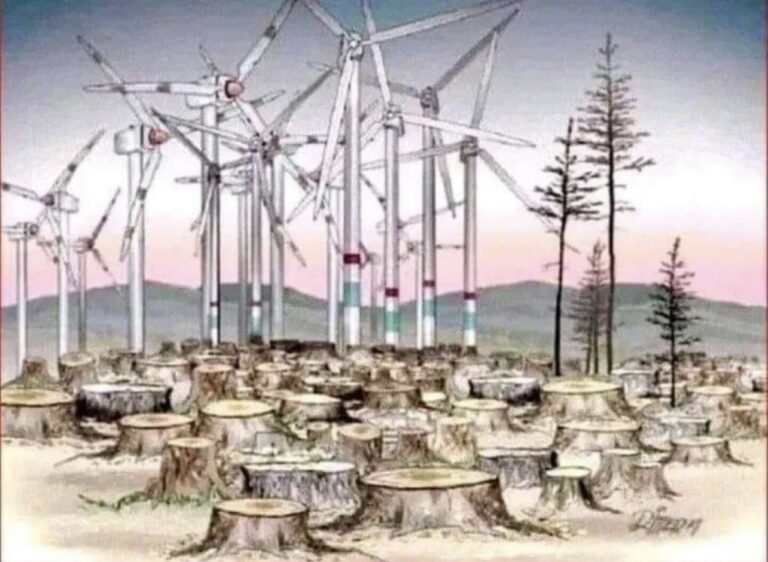
Time Magazine isn’t what it used to be, but they still think they are, so when this aging arm of the Government’s Public Relations Department publishes things, it is meant to mean something. Not New York Times, something, but something. Like how capitalism can’t solve the climate problem, China is where we should be looking.
Articles tagged as
Green Energy

World Leaders Ignore Growing Safety Issues With Green Energy
The nations of the world are pursuing an unprecedented energy transition. Efforts are underway to force a shift from coal, oil, and natural gas to renewable energy sources by 2050. However key elements of the proposed transition suffer from major safety issues, specifically batteries for electric vehicles and electricity storage and hydrogen fuels for industry.

Can Electricity Providers Promise 100 Percent Green Energy? Probably Not.
We expect the lights to come on when we flip a switch, unconcerned with how the electricity is produced or how it reaches our homes. We are aware of telephone poles, wires overhead, and transmission towers, solar panels, and windmills across the countryside. But as long as we pay our electric bills, we trust electric utilities to provide our power somehow.

The Massive Energy Demands of A.I. are Bad for the Planet
Artificial Intelligence, or AI, has become the popular blonde in both tech and cultural circles. It is writing papers for students, and could write blogs for websites, white papers, technical reports, just about anything, but should it?

Solar Panel Addicts Suggest Blocking Out the Sun
The Global Warming Cult is just full of great ideas. Electric cars run on coal. Batteries made from metals extracted out of huge open pit mines. Wind machines that kill birds and bats. They are also thinking about how to block the sun.

Not The Netherlands … “Republican” South Dakota Shutting Down Farms
Red States are a lot less RED than the “Republicans” in those States would have you believe. In SOUTH DAKOTA, a supposedly GOP State, the “Republicans” in order to serve their donor class are allowing a “private business” to use eminent domain to seize farmland in order to supposedly save the climate, which is a … Read more

(Not So) ‘Green’ Full-Spectrum Dominance
This is as good a time as any to discuss the unholy alliance to advance the Green New Deal between “capitalist titans” and green Marxists — an incredibly anti-free-market anti-business agenda that is using what appears to be military dominance tactics to achieve escape velocity.
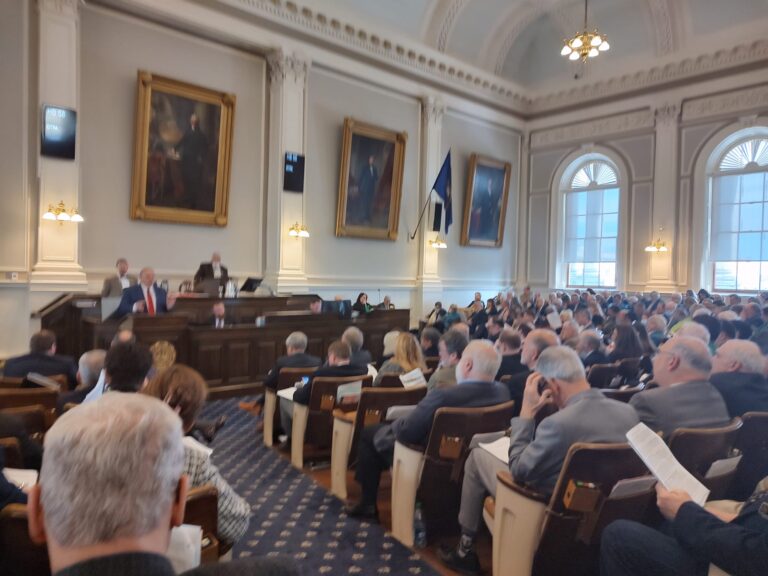
So Kids, What Did We Learn From This Week’s House Session (03/16/23)?
We learned that it was a good day for gun rights and cannabis legalization but not a good day for liberal green energy policies. We learned that HB76, imposing a 3-day waiting period between purchase and delivery of a firearm, died after the Ought To Pass recommendation failed 168-193. There were “exceptions” “graciously bestowed” in … Read more
Another Expensive Lesson New Hampshire Could Learn From Vermont
We can debate 232 years later whether accepting Vermont into the union was a good idea, but there have been a few positives, Calvin Coolidge being one of them. But recent decades have seen a significant decline as the Democrat Socialists have turned it into a Right-Coast California without the coast.

“Green” Shipping Company Bans EVs to Protect Passengers, Freight, and Crew …
A Norwegian ferry company that moves people, vehicles, mail, and other freight up and around northern Norway has decided it must ban any and all Electric Vehicles from its ships.
Ohio Law Defines Natural Gas As Green Energy – Requires Regulators to Grant Leases
I confess to being a bit embarrassed that I didn’t think of this myself. It’s genius. The Left refuses to count Nuclear and Hydro in green energy portfolios even though there are no “CO2” emissions. Ohio Gov. Mike DeWine, who is more Sununu than DeSantis, took that green playbook and used it to declare Natural Gas ‘green energy.’

You Will Be Made to Pay for an Energy Transition That Doesn’t Work, Isn’t Green, and That You Do Not Want.
As Europe fights to keep warm this winter, going so far as to burn coal to keep the lights on, the reached from reality EU bureaucrats approved a new carbon tax on the old energy (heating and motor fuels), part of which will fund conversions to the new energy that isn’t working.
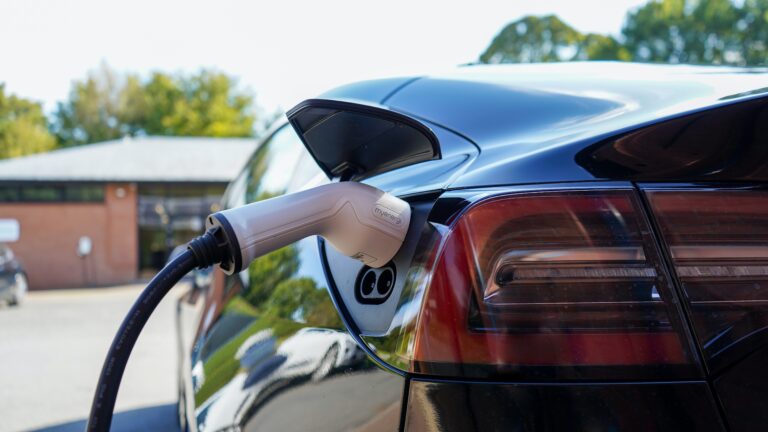
German Research Team: Diesel Vehicles More Friendly to the Environment Than Electric
Angela and Company put Germany on Energy transitioning hormones, but there’s a problem. Not much wind and not enough sun. And there’s no easy way to turn back. The nation’s last three Nuclear plants are decommissioning, which leaves Deutschland in dire straits.

Europe Committed to Replacing Russian Fossil Fuel Dependence With … Rolling Blackouts in Freezing Temps?
There is a narrative percolating through the internet that ‘Europe’ should have enough natural gas this winter. They spent a small fortune to fill storage tanks (infrastructure) built for this sort of thing, much of it with LNG from the US. So why is the BBC prepping scripts to calm folks during blackouts?
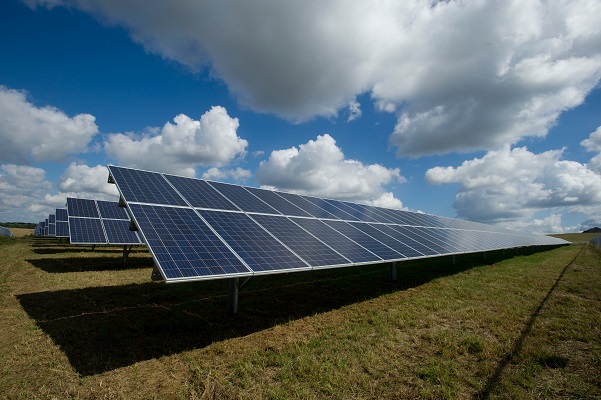
Irony Alert: Thanks to the High Cost of Renewable Energy, Europe Can’t Afford to Make Renewable Energy
Comedian George Carlin had a very old joke that went something like this. Is God so powerful that he can make a rock so large that he himself can’t lift it? It was spun as the sort of question a smart-assed kid would ask in Sunday School, but it has genuine real-world applications for the energy industry.

Winter is Coming: Is It Time for New England to “Pay” the Green Energy Piper?
For years we have been writing about how energy policy in New Hampshire and New England was on a crash course with a cold hard reality. This might be the first winter where that is less theory and more truth, and we’re not happy about the “I told you so.”
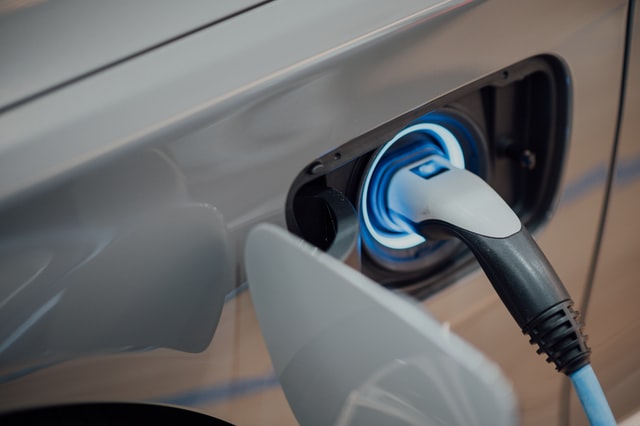
Irony Alert: Economy “Created” to Sell EVs is Making Them More Expensive to Drive than Combustion Engine Vehicles
Democrats are economic illiterates. It’s the only explanation why so many believe an economy they planned wouldn’t be a total disaster. Take energy. They made oil prices rise to make Electric Vehicles competitive before they had the grid bandwidth to charge them.

Governor Groomer Is A Congenital Liar
I grow more and more bewildered and exasperated that anybody can still support Governor Groomer, a/k/a Sun-King Sununu, as he continues to LIE. A recent post by Cornerstone Action discussed Governor Groomer’s LIES about supporting certain pro-life policies:
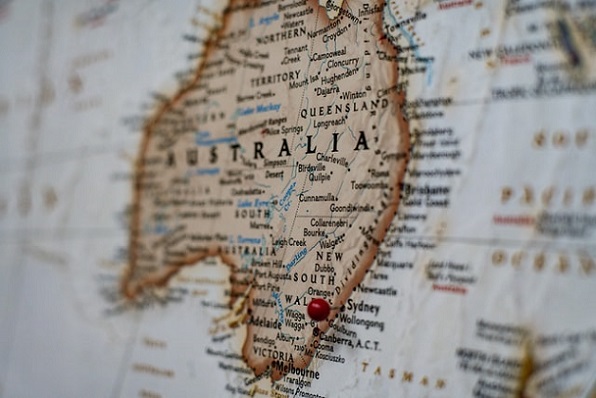
Australia Joins Germany – Admits it Needs Fossil Fuels
Germany is over a barrel thanks to its dependence on green energy, and Russia neither being reliable nor capable of delivering without consequence. So, they’ve had to commit to burning more coal. Australia, another fool on a green hill covered with wind turbines, has announced they too need fossil fuels.
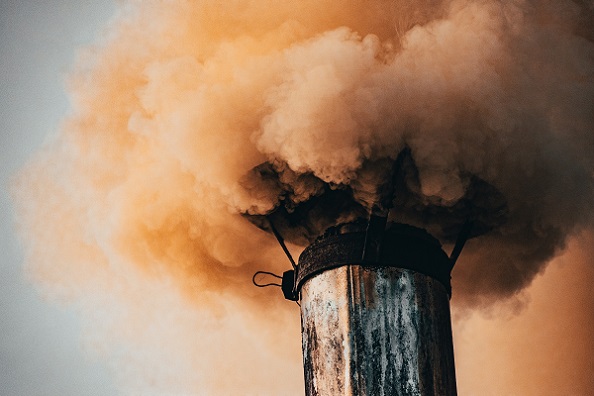
Trying to Replace Fossil Fuels With Solar Will Require Burning a Sh!tload of Coal
You may have heard me say this a time or two. Neither Wind nor Solar is clean or green. They can’t even scratch the surface of our power needs now. Forget adding more demand from EVs or whatever. It’s all a lie and a very dirty lie.