


Did someone recently flip a switch? It seems as though Wokeism, the Great Reset, ESG, DEI, and an assortment of other radical left-wing positions have just taken over. It is in the movies, media, sports, finance, retail businesses, and even in the beer industry.

The Dangers of a “Cashless” Economy
Before delving into the dangers of eliminating cash and mandating that all transactions be conducted by digital means, let us briefly discuss the legal aspects of money. In the United States, as in all economies that have legal tender laws, only cash is recognized as money. Some may think that the balance of their bank … Read more

War, Oil, Inflation, And Global Economy
War is no longer a battle between two foes while the world watches for the outcome, especially when the struggle involves countries in the Middle East. With Joe Biden putting the American petroleum industry in chains, the Middle East has regained prominence as the region supplying the majority of oil to much of the world.

Israel In The Bullseye, Conflict Circle To Grow
Israel has been the epicenter of the conflict between her and Hamas since October 7. Hamas started this battle with an insurgence through the usual steadfast boundary around Israel, and these animals butchered, burned, killed, and abducted anyone in their path.

Synthetic Chicken Will Never Fly
Recent revelations at a premier lab-grown meat startup suggest techno-mystical visions of cheap, plentiful, vat-cultured meats are a fantastical pipe dream. Venture capitalists and a climate-anxious public have been lured into believing synthetic animal meat substitutes will solve environmental problems while liberating farm animals.

Can Electricity Providers Promise 100 Percent Green Energy? Probably Not.
We expect the lights to come on when we flip a switch, unconcerned with how the electricity is produced or how it reaches our homes. We are aware of telephone poles, wires overhead, and transmission towers, solar panels, and windmills across the countryside. But as long as we pay our electric bills, we trust electric utilities to provide our power somehow.

Stupid Is as Stupid Does
When Hamas terrorists attacked and killed thousands of Jewish citizens, our current President Biden eventually did the right thing and supported Israel while condemning Hamas. That good thing isn’t lasting very long, though, as now he wants to send $2 billion of taxpayer relief money to Gaza.

States Eye Rejecting Federal Education Money Because It Comes With Too Many Strings
Led by Republican lawmakers in Tennessee, a working group is weighing what it would cost for the state to sever the government purse strings that bind students to federal imperatives.

Leave It To The ‘Experts’ To Follow California Off A Cliff
Pennsylvania’s Peter Brothers Trucking delivers goods all across America. Owner Brian Wanner says Pennsylvania bureaucrats now are driving him out of his home state.

The Gender Cult Drives New Hampshire Kids to Despair
Reading the obituaries in the New Hampshire Union Leader I learned that two trans-identified 14-year-old girls died by suicide in New Hampshire almost exactly six months apart. This is tragic and shocking but not completely unexpected because of the awful toll that social and medical transition takes on gender-confused kids.

Masters of Deceit have Turned from Red to Green
Yesteryear’s gold fever has a lot in common with today’s environmental fever: each promises a better future. Finding gold, however, gives you the freedom to live the way you want. Moving towards an environmental way of life restricts freedom.

Why Can’t Kids Read?
Earlier this month, Seven Days ran a remarkable story titled Too Many Vermont Kids Struggle to Read. What Went Wrong — and Can Educators Reverse a Yearslong Slide in Literacy? It’s long. 5000 words, but very much worth the time.

Our Open Border Gives Us Terrorists And Fentanyl, Not A Problem For Dems
One hundred thousand deaths a year of our young adults and countless more addicted do not get the attention of Democrats. Three years of daily reports of large amounts of Fentanyl tablets confiscated at our former Southern Border and no reaction from the Party of the People – isn’t that what they tell us?

Will Smith Is America’s Masculinity Problem In A Nutshell
It’s almost unbelievable how far Will Smith has fallen in the public eye. In the early 2000s, he was among the top leading men in Hollywood. He personified the adage: “Women wanted him, and men wanted to be him.” But it was all a lie. Twenty years later, his wife, Jada Pinkett Smith, openly mocks … Read more
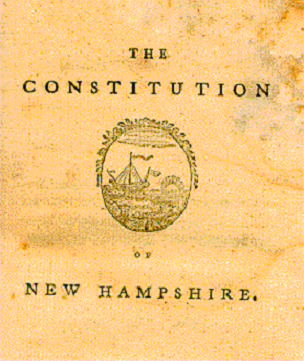
Election Laws Have Been Changed without Our Consent
What is the role of the Supreme Court at the state or federal level? The U.S. Supreme Court’s official website says, “First, as the highest court in the land (or state), it is the court of last resort for those looking for justice. Second, due to its power of judicial review, it plays an important role in ensuring that each branch of government recognizes the limits of its own power.”

Music And Friends Were A Needed Relief
The last few months have been stressful and frustrating as a conservative American. Actually, the previous three years have been challenging for anyone who loves this country and is angered by Joe Biden. He and the Democrats continue to make bad decisions that are turning every aspect of American Life to mush.

A Broadside Against The Division of Children, Youth and Family (aka DCYF)
Notice and Demand NH DCYF to Follow Due Process of Law – Legal Notice and Warning. To: Lori Weaver, Commissioner of the New Hampshire Department of Health and Human Services, Representative Leah Cushman.

Pulpit Polity – “That Book, Sir, Is the Rock Upon Which Our Republic Rests.”
This week, I want us to examine the thinking of some of our most important Founding Fathers and Presidents in regard to the place that the Bible has influence in the governing of our nation. The period of the first 150 years of our country’s founding is significant because the foundation was being laid for the building of a nation.