

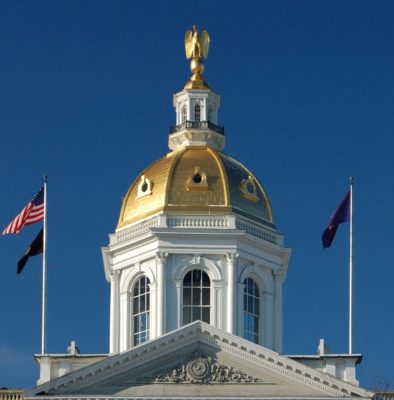
This week, I introduced HB 1159, updating the state building code to the 2024 versions, except for the energy code. This was as recommended by the building code review committee, and the only opposition was a person who objected to the omission of the energy code. Since that code update was the subject of the next bill, the committee immediately recommended my bill to pass.
HB 1180, updating the state energy code to the 2024 version, was supported and opposed much more intensely than HB 1159! The opposition was very concerned that it increased the cost to build; supporters emphasized how it reduced the cost to operate buildings. I can see the tradeoff, but I don’t believe that the state should force everyone to make the same decision, especially since anyone can build to a more recent version of the code if they chose to do so.
HB 1004, exempting 4-unit residences (up from three) from the code requirement for automatic sprinklers, also generated quite a bit of controversy. Some 4-unit buildings (most townhouses, for example) are built with appropriate firebreaks between units, and each has its own staircase; others are not, and we just eliminated the requirement for a second staircase in some of these buildings. The committee will be working on this bill before deciding.
Friday, the full Finance committee met on four interesting bills. HB 1042 raises the “unified contingent credit limit” for loan guarantees by the Business Finance Authority (BFA) from $200,000 to $450,000. One BFA program, for large business relocations, is close to the limit for its loan guarantees, and the sponsor hoped to be able to provide more. The committee questioned the impact on the state’s credit rating and the possibility of default. We also questioned why this limit needed to be more than doubled, only three years after the last increase. I’m scheduling a work session and inviting the BFA and the state treasurer to participate.
HB 1166, defining that the budget trailer bill (HB 2) had to only contain sections that directly related to the actual budget, was presented by the sponsor, who was concerned about transparency, or sections “hiding” in the trailer without proper scrutiny by the legislature. Unfortunately, the Finance committee is actually charged with reading and rewriting the trailer bill, so we know what was there better than most other Representatives. The major initiatives he complained about (forming the Department of Energy, for one) are the Governor’s major way to remodel the executive branch, since so much of it is defined in statute. Then, of course, a simple “notwithstanding HB 1166 (as codified into law)” statement in a subsequent HB 2 could make this bill totally ineffective. We’ll have a work session on it, but I don’t support the idea.
HB 1311, creating a fund for economic analysis of proposed rules, is intended to solve a problem I’ve seen with the fiscal analysis of rules: it is generally pretty good as to the costs for state agencies, but doesn’t address the impact on state businesses and citizens. The sponsor needed to explain both the rulemaking process and economic analysis to the committee, and promised some further information.
HB 1515, repealing the child care grant program, turned out very different from what I thought. It simply repeals a section of HB 2 that funded the child care staff recruitment and retention program with federal TANF funds. The fiscal note pointed out that the federal government had ruled that this was an unallowable use for these funds, and therefore, no new money had been allocated to this effort. However, the rest of the section described the allowable uses for the funds in the program (however obtained) and required HHS to fully fund it in their next budget request (for 2027). The sponsor was more concerned with some of the allowable uses for these funds; some members were worried about setting this up as a new program for the next budget. It will have a work session in Division 3, which deals with HHS.
Next week, we’ll hear the governor’s state of the state address and continue working on House bills.
Authors’ and Speakers’ opinions are their own and may not represent those of Grok Media, LLC, GraniteGrok.com, its sponsors, readers, authors, or advertisers.
Disagree, agree, Got Something to Say, We Want to Hear It. Comment or submit Op-Eds to steve@granitegrok.com
