

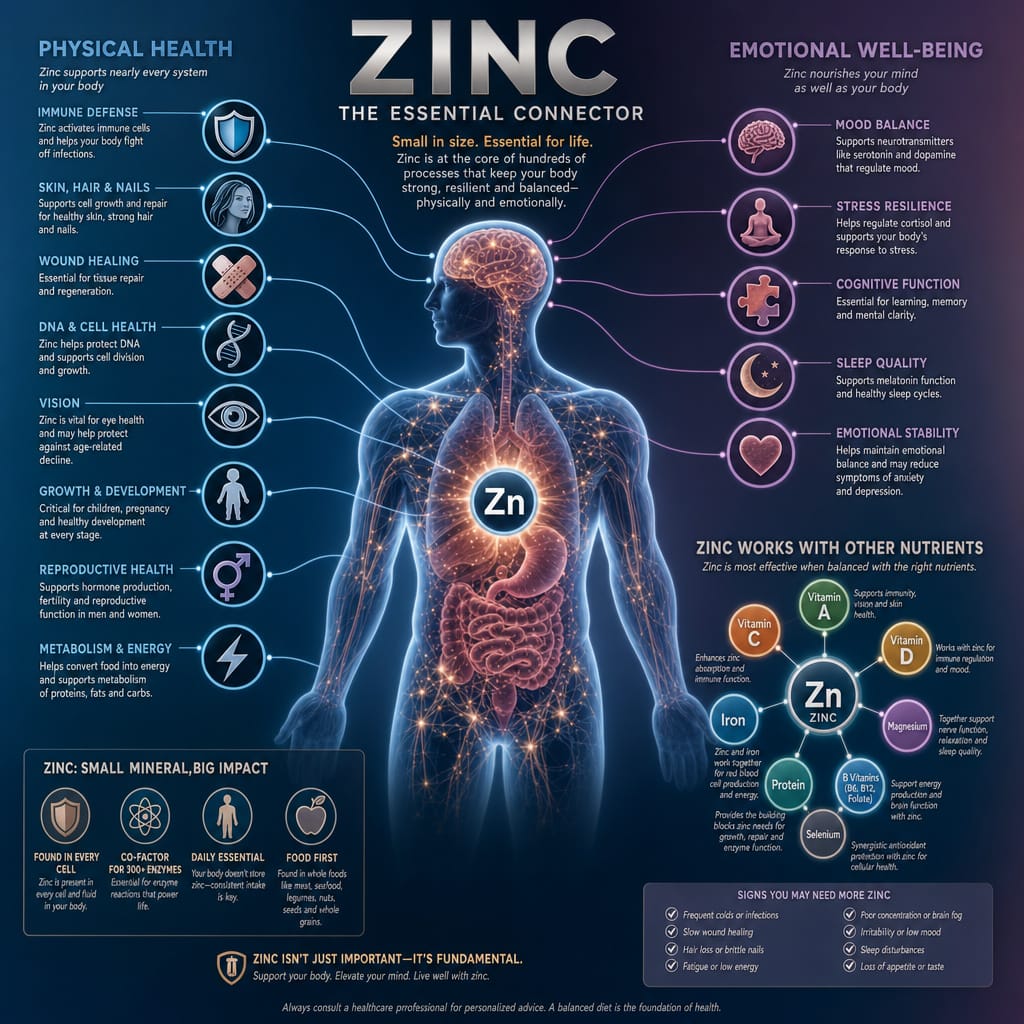
My first ever order of zinc, as a separate nutritional supplement, was in April 2020. At that time, news sites were overflowing with COVID gloom & doom, much of which made no logical sense at all, so I began serious research, which led me to conclude that we needed to supplement our diets with much more than a simple multivitamin.
- Zinc: 300+ processes, 25-year-old RDA—and your doctor wasn’t taught about it
- Zinc without quercetin and copper is an incomplete protocol—here’s why
- Six years, zero bugs, no COVID, because I added quercetin that they leave out
Zinc was our first important supplement addition, and it led us to the point we are today, feeling better and writing and sharing our experiences, in the hope that our small efforts can save others hours of research and may possibly make them healthier.
But it wasn’t until December 2020, a full 8 months after adding zinc, that I ordered quercetin, which my research showed was essential for zinc to get where it needed to be to protect our cells; specifically, zinc needed to get into our cells to do its work, and quercetin was the doorman. Quercetin is what is technically known as an ionophore, but all we really need to know is that we get zinc where it needs to be by adding quercetin, so be sure to add it to your supplement list. Oh, yes, you can get quercetin from food but be prepared to eat a dozen onions to equal the bio-available quercetin from one capsule of the stuff.
During this same time-frame, I also learned that zinc “depletes” copper. Zinc supplementation actually blocks copper absorption in your intestine, so adding copper replaces what the zinc kept out, and lets the two combine nicely for over 300 enzymatic processes in your body. Unless you’re eating a half-dozen oysters a day, you might want to consider adding a zinc supplement. Most dosage suggestions are based on the old RDA limits, which don’t consider how zinc has been depleted from commercially farmed soils, and is not being consistently replaced with fertilizers. Bottom line, while our available zinc situation from commercial crop products isn’t as bad as our magnesium situation, it does require us to probably add zinc as a supplement. Adding zinc requires adding copper and quercetin. I added quercetin less than a year after starting zinc supplementation, but didn’t realize how essential copper was until about six months after that.
I’m currently taking zinc picolinate, a well-absorbed, chelated form of zinc, 50mg 2x daily along with quercetin 1,000mg 2x daily, plus 2mg copper 2x daily. My research for this Post indicated that my copper could be bumped to 3mg 2x daily, which I will begin tomorrow. I don’t recall why I’m taking the current 4mg daily dose, but it must have seemed reasonable to me at the time. Today, I’m keeping far better track of dosages but still had missed that copper might need a boost. You should remember to keep track of your supplements and plan to revisit source sites often because new information might show up. Keep in mind that you need to dig for every scrap of data because most sources omit essential information that doesn’t match official narratives. It’s a disappointing, but very real, fact.
I visited several respected medical reference sites while writing this Post, but saw no references about adding quercetin, so no wonder they saw no cold-prevention benefit. Maybe it won’t work for everyone, but it absolutely helped me. Before I retired, I had a public-facing job, meeting & greeting snowbirds, who were bringing all of their northern bugs to Florida at the height of the “cold & flu” season, every day of every week! Before zinc/quercetin, I picked up a bug at least every other year, sometimes more often. After zinc/quercetin, six years running with zero bugs, including no COVID, even though it was definitely active in our circle of friends.
Zinc, and many other supplements, can cause undesirable interactions with pharmaceutical products. Years ago, I began checking every one of C’s new Rx at drugs.com for both pharmaceutical and supplement interaction issues. In the case of zinc, the most likely interactions are with certain antibiotics and PPIs, such as omeprazole. Interaction issues can arise seemingly out of nowhere, so always do a quick online check. Take whatever drugs.com tells you, and plug it into your favorite AI for a double-check. Keep in mind that one 2016 study showed inaccuracies in online interaction information, which may or may not have been corrected ten years later. AI is also known to hallucinate, so always double-check.
Iron supplements can interfere with both copper and zinc uptake, so doses of both may need adjustment. Zinc also interacts with vitamins A and B6, as well as with selenium and calcium. These interactions will be covered with the other supplements.
I probably should refer you to my full Disclaimer Page at this point, as I’m certainly not a medical professional and cannot dispense medical advice, so my Posts are for informational or humorous use only. The Disclaimer Page is worth a visit as it has its pointedly humorous moments.
Next week we’ll check into our body’s Laurel & Hardy pairing: Vitamins D3 and K2, with a walk-on by Vitamin A, and the combination linking back to zinc for bone health, so be sure to watch for it!
Editor’s Backgrounder: This is Part 3 of a new health & nutrition series by a recent contributor of AI columns. You may have read his “Breakfast With Claude” columns, posted by one-old-conservative. These new nutrition interaction columns are part of an interesting nutrition Substack that you can visit here. This column can be viewed on this Substack link. Your comments will determine if you want more of this material, so be sure to let us know below! The author will be presenting a comprehensive AI overview seminar in June. Let us know if you would be interested in a downloadable video or link.
*We are not doctors, lawyers, or financial advisors, to name a few, so under no circumstances are we offering medical, legal, investment, or any other advice. This is a news and opinion blog. We may report on or discuss research, papers, commentary, and the “expert” or amateur opinion of others, but that is not an endorsement or recommendation of these opinions. That is up to you and the professionals you trust and consult.
Authors’ and Speakers’ opinions are their own and may not represent those of Grok Media, LLC, GraniteGrok.com, its sponsors, readers, authors, or advertisers.
Disagree, agree, Got Something to say? We Want to Hear It. Comment or submit Op-Eds to steve@granitegrok.com
