Welfare, that is. Used to be called “charity” from private sources, and sometimes, folks stayed at the county “poor house”. Nowadays, the dole (heck, even “welfare”) is dressed up in smooth bureaucratise so as not to “cause undue stigmatism towards those that need assistance”. Payments go directly from Government “dole-er outers” to those that supply the services or goods like Section 8 housing or EBT cards.
 Ah yes, EBT cards – groceries, drug stores,….vacation hot spots, casinos, and strip clubs! Money is money and fungible if you are a well-flushed non-profit (Planned Parenthood moving abortion money as well as any crafty hedge fund operator), well-connected politician, or welfare “client”. From an efficiency standpoint, an EBT card is just as easy as technology can make it inexpensive for Government to allocate taxpayer monies – and for those on the dole to purchase a lot of things that they normally can’t. Oh, not necessarily directly with the card, but how often have you been behind someone in the grocery store buying groceries that are sometimes more expensive than what you can afford – even as you are dinged for higher taxes for these “most vulnerable”? Well, it has been my mindset that while a safety-net does need to be provided, why does it have to purchase filet mignon (and yes, I did see that purchased with an EBT card)? It shouldn’t – and given technology, it should easily be possible, using a longer term benefit / cost ratio, to limit EBT transactions to less variety and less costly food products (and locations).
One California legislature is willing to make a first swipes:
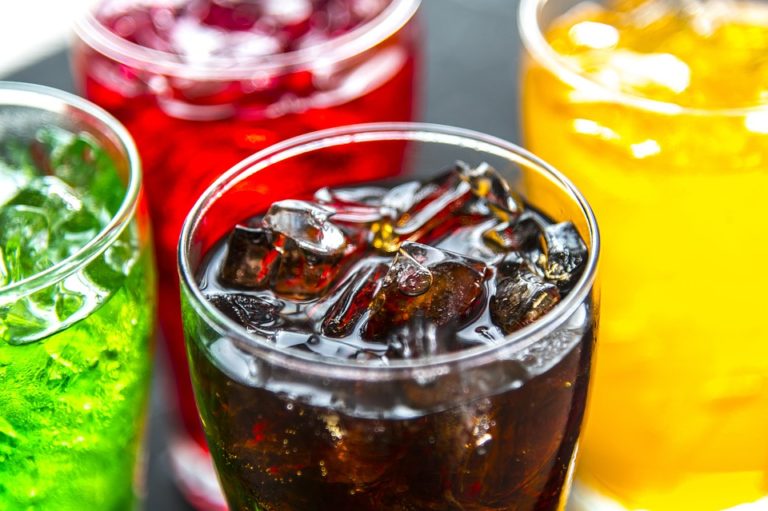
The money California taxpayers pay that funds CalFresh, the food stamps program, may be earmarked so that the recipients of government largesse cannot use the food stamps to buy sugary sodas and other beverages that have more than 10 calories per cup.
Read more