Dan McGuire’s Bill, that narrows down what an adequate education is in New Hampshire, has everyone in a tizzy. HB283 would reduce the list of subjects that define what an adequate education.
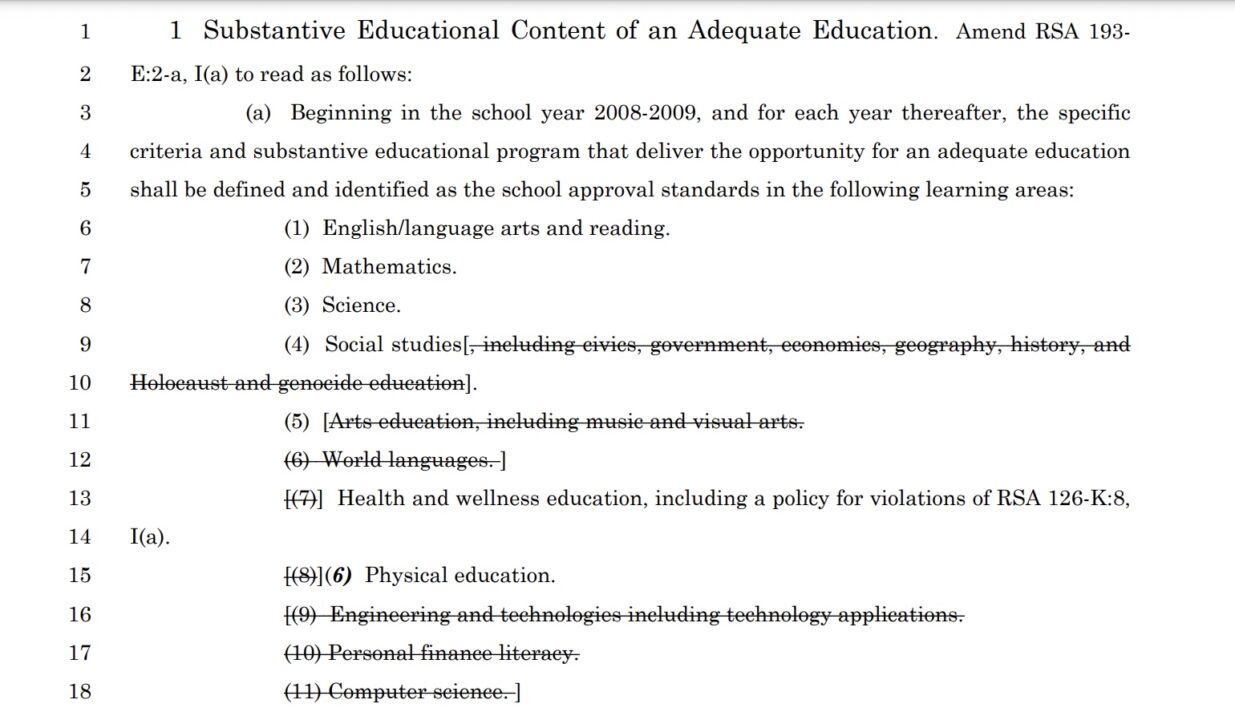
You can see how an adequate education would be defined if this bill were to pass, and be signed into law. The state would no longer require some of these subjects to be taught in a New Hampshire Public school. But just because the state eliminates these subjects doesn’t mean public schools cannot offer them. It means that the state will not require local schools to offer these courses.
One of the biggest tax and spend organizations in the state began a campaign to stop this bill in its tracks. They say HB283 would harm public education in New Hampshire. NH School Funding Fairness Project is code for INCREASE state taxes in New Hampshire.
NH School Funding Fairness Project has crisscrossed New Hampshire, conducting presentations at schools. Their message is that schools need more tax dollars, and those tax dollars need to come from the state budget. They don’t talk about the quality of education or ways to improve public education. Their message is all about raising taxes at the state level and funneling those tax dollars to the schools. This is why school administrators happily invite them in to talk to the residents.
So when I saw that they were leading the charge to kill HB238, I was skeptical. Since when do they care about literacy, and quality public schools? All they care about is money, no matter the quality inside the classroom.
What’s their game with HB238? That’s easy –the more subjects listed in an adequate education, the more they can argue that the state has to kick in more funding for schools. But whenever that happens, you don’t see a reduction in your property taxes. And these courses are not taken into consideration when deciding the funding formula. Any changes that would come from HB283 will not impact state funding to schools.
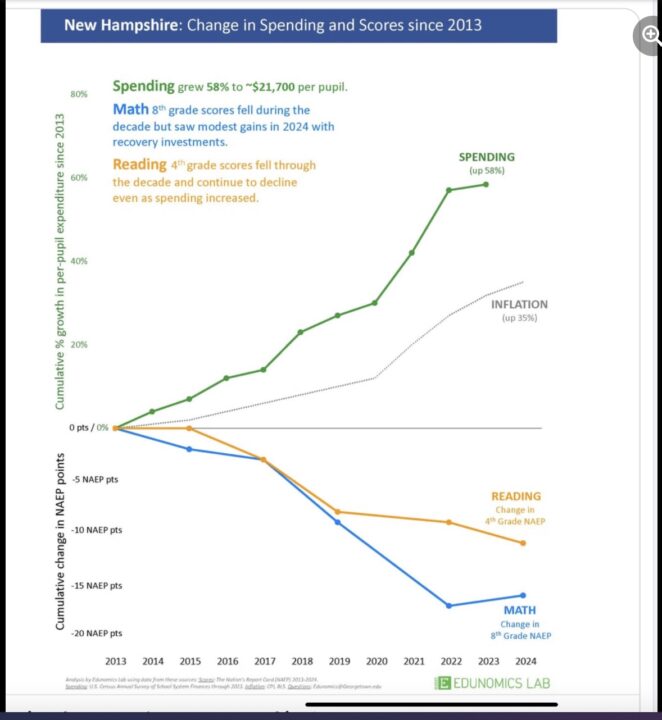
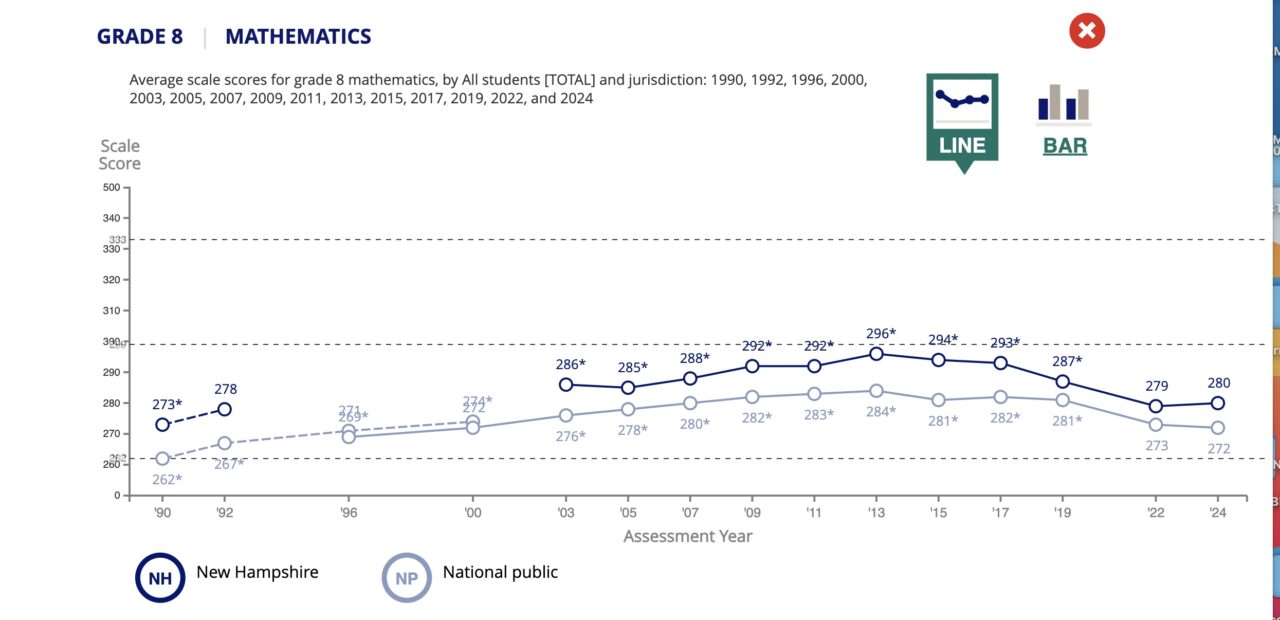
If they cared about the quality of public education, they would be fighting for significant ways to improve public education. Instead it’s all about money, and nothing about improving math proficiency.
New Hampshire continues to use 3rd world academic standards like Common Core and Next Generation Science Standards. That will not change if the law remains or is changed by HB283.
McGuire says that by narrowing down the selection, it gives local communities the ability to determine what classes should be taught. He wants to make sure that the public schools focus on the main core subjects. Beyond that, local communities can determine what subjects they want for their students.
McGuire says that by doing this, schools will narrow down their focus, and that will improve proficiency scores. I’m also skeptical of this because it will take a vast improvement to the standards and tests, to really improve public education in New Hampshire. This Bill does nothing to change or improve academic standards. That’s what’s really needed in New Hampshire.
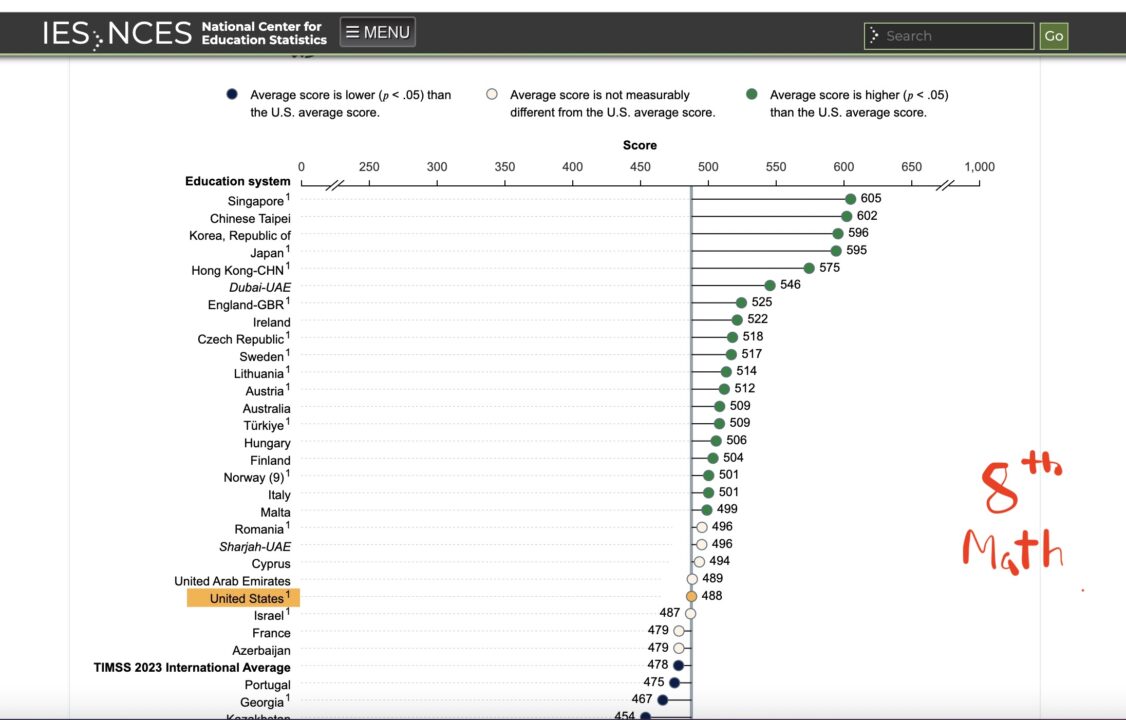
I understand why McGuire wants to narrow down the subjects, but I’m not convinced this will help our students on the world stage. Keeping the current law doesn’t help our students either. So this eruption across the state, is over nothing that will positively impact academic outcomes.
That must come from Governor Ayotte directing the New Hampshire Department of Education to begin the process of improving academic standards in the core subjects. That will take some time, and it will mean gathering up the best and the brightest to thwart off political factions, and develop world-class standards.
HB238 will not cause the public schools to crash and burn, as many are suggesting. I don’t also believe it’s the ticket to improving academic outcomes. We know how to improve academics, but no one seems to have the will to do that.
We’ve had Common Core through Governor Lynch, Hassan, and Sununu. Both Democrats and a Republican ignored the one task that could move our public schools in a positive direction.
HB238 is a big, nothing burger. It’s not going to kill public education, but I don’t believe it will move the needle in a positive direction either. If you really care about the quality of education, you have to improve the academic standards, tests, and curriculum. Then you have to support quality teachers in the classroom teaching the academic content.