

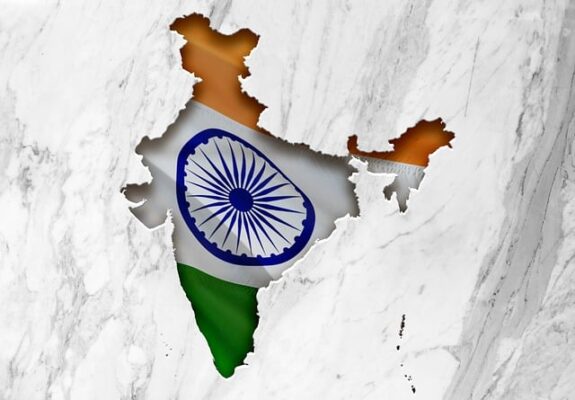
U.S.-India relations present a complex tapestry woven from the threads of shared interests and divergent values. While the two nations may not align perfectly in terms of values, there are compelling reasons to collaborate on common interests. The U.S., a mature liberal democracy, contrasts with India, an emerging second-world nation, fostering a relationship marked by both cooperation and contention.
We want to thank David M. Lovlien II for this Contribution – Please direct yours to Editor@GraniteGrok.com.
You can review our ‘Op-Ed Guidelines‘ on the FAQ Page.
India’s immense parliamentary body doesn’t guarantee equitable representation for all citizens, raising concerns about its commitment to pluralism. The nation’s ethno-nationalist tendencies have sparked human rights violations against its Muslim population, particularly near its border with Pakistan, warranting international attention.
India’s stance on global issues, like its silence on the Ukrainian crisis, raises eyebrows. Its reliance on Russian liquid natural gas does indirectly support Russia’s economy and its role in Ukraine. Furthermore, India’s participation in the BRICS banking system, alongside authoritarian regimes like Russia and China, potentially undermines the Western financial system’s stability.
While Western nations have shown cautious criticism of India, a more open and candid dialogue is imperative for cultivating a true alliance. Rather than condescension, the West should approach India with respectful advice, acknowledging India’s immense population and significance. However, India must also take steps to clarify its geopolitical stance, moving beyond neutrality towards a clear alignment with liberal democracies or authoritarian powers.
As both nations tread this intricate path, fostering friendly relations will require the U.S. to address India’s shortcomings while adjusting its communication style. India, on the other hand, needs to make a decisive choice, embracing a role that aligns with its aspirations rather than drifting in neutrality’s uncertain waters. The potential for a meaningful partnership is within reach, but it necessitates a delicate balance between shared interests and the pursuit of common values.
David M. Lovlien II is a Merrimack County Commissioner.
