
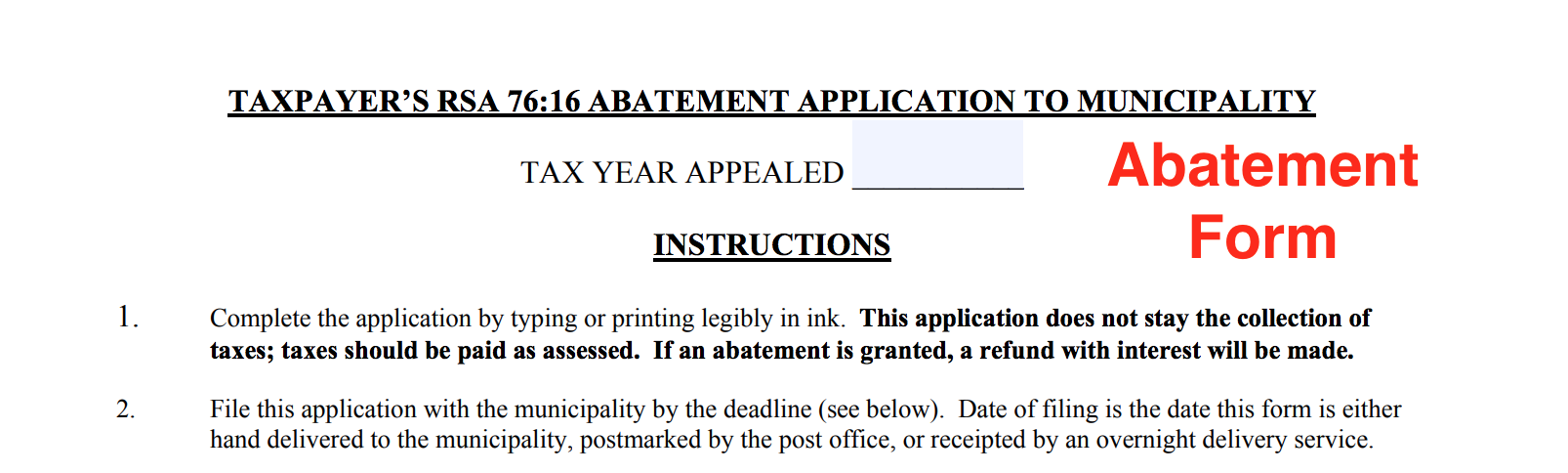
After the KRT Appraisal assessment update in 2018, almost 400 abatements were filed with the City.The City was unable to handle the workload, so they hired KRT Appraisal to review 52 of the residential abatement requests.
Unfortunately, KRT applied their “own” process different from the process used from the City. While the burden of proof is on the property owner to show disproportion, the City carries the burden to show they acted reasonably, without bias, and must be able to offer an opinion of value. This did not happen with the KRT abatements.
According to the KRT contract, KRT was to provide a market value analysis to anyone wishing to review their assessments. Aldermen were told that it would contain pretty good detail for the property owner. No market analysis or discussion on how they arrived at their numbers was provided by KRT.
How did KRT handle the more than 50 abatements relative to the City Assessors? They believed that their assessing model was perfect and that they carried no additional burden to act reasonably, without bias, and offer an opinion of value.
If your abatement was handled by KRT, you should check to ensure it was handled appropriately.
- Only 33% of abatements handled by KRT were approved compared to the City’s 85% approval rate. What caused this disparity?
- Of those approved, the City reduced the assessment by 12.5% while KRT only reduced the assessment by 5.5%.
- KRT rejected all sales opinions, sales data, and appraisals supplied by homeowners and instead made “data corrections” to the property record cards.
- One way or the other, there is no answer to how the discrepancy between city and KRT approval rates are miles apart.
It’s possible there are no issues with your property card, but it is worth making sure that’s true. You have until March 1, 2020, to apply for a 2019 abatement. Don’t allow the City to outsource your abatement.