

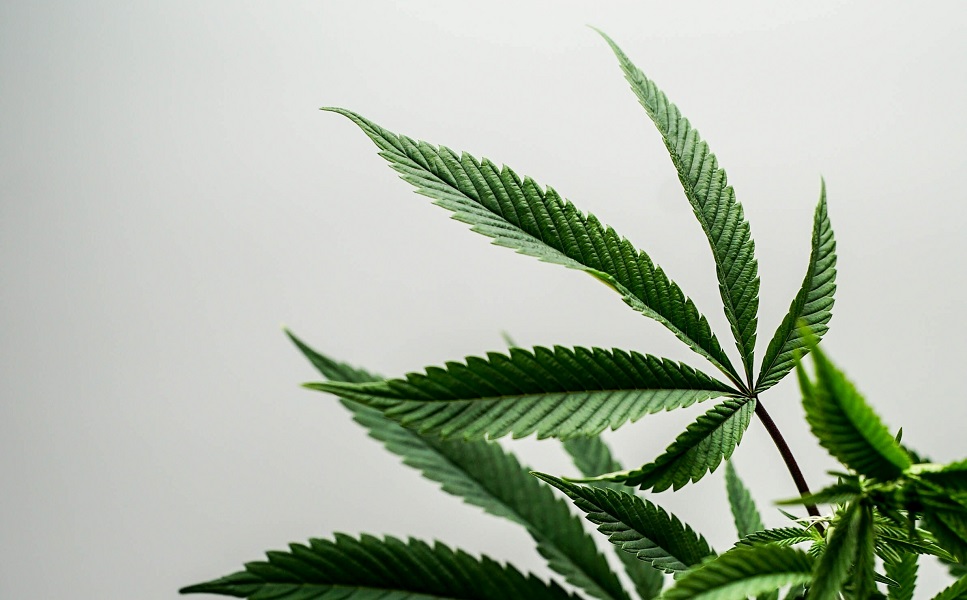
During a February House session, there was a debate on marijuana legalization. HB 1598-FN passed 235 to 119. This bill is now under consideration in the NH House Ways and Means Committee.
It will come back to the House for a final vote at the end of March and then on to the Senate.
The bill proposes marijuana legalization despite nearly ten years’ worth of data from other states documenting how legalization has led to significant increases in underage marijuana use, marijuana-related traffic deaths, child welfare caseloads, and the number of infants born with THC present in their bloodstream.
The negative consequences have been so damaging in Colorado that the governor recently signed a landmark reform bill to reign in the most harmful aspects of their marijuana laws. At the very least, every state legislator should closely examine these reforms before making any decisions on legalization.
We want to thank Sue Homola for this Op-Ed.
Please direct yours to Editor@GraniteGrok.com.
In addition, concerns about high-concentrate marijuana have been documented for decades. We now have the hindsight of many longitudinal studies that show a verifiable increase in addiction and psychosis among heavy marijuana users.
Another issue is the relationship between opioid abuse and marijuana usage, as detailed in a 2017 study published in the American Journal of Psychiatry. This documents how marijuana use is linked to increased occurrences of new-onset opioid use and opioid use disorder.
It is important to note that in Nashua and Manchester, drug overdoses during 2021 increased by 110% when compared to 2020. Given this startling trend and New Hampshire’s tragic history of being a state hit hardest by the opioid epidemic, it is unconscionable that legislation is now being proposed that will make this situation worse.
In addition, this bill proposes a $25 million fund to treat drug addiction. Sadly, it will help mitigate a problem we ourselves make worse with this legislation.
Another intent of HB1598-FN is the state-sanctioned distribution, selling, and profiteering of marijuana — which no other state has done so far. According to the Criminal Justice Committee Majority Report, this bill “…allows consumers to purchase a clean, superior tax-free product at a consumer-friendly price that is competitive with the black market.” (Surely, New Hampshire can have better goals than to be competitive with the black market.)
This bill also appropriates $14 million of taxpayer money for start-up costs so the Liquor Commission can manage ten state-run retail outlets. This commission also estimates an additional $5 million will be needed annually for operating costs, salaries, and benefits for 70 state employees.
We must ask ourselves: Do we really want to legalize a drug that we know will result in more harm to our most vulnerable citizens and empower state agencies to essentially act as a cartel, a drug dealer, and a money launderer?
If we think we should legalize because some say it’s inevitable, then we are ceding control of the issue and ignoring the negative consequences demonstrated in other states.
If we think we should legalize and manage the sales ourselves because it will put more money in the state’s general fund, we should examine the actual budget revenues in other legalized states. In reality, we will discover that marijuana revenues are never enough to pay for the societal ills caused by this drug’s use.
Finally, do we believe that legalizing marijuana will end this discussion? No, it won’t.
When your main selling point for a drug policy is the promise of untold millions being used for school funding and property tax relief, despite the documented harmful effects on vulnerable populations, it merely paves the way for the legalization of other drugs if the profit margins are attractive.
Make no mistake, HB1598-FN opens the door to a whole new discussion.
Rep. Sue Homola (R-Hollis) represents Hillsborough County’s District 27.
