


Whether you’re a small business with just a handful of employees or a multi-national corporation, data can provide important insights that make for better business decisions. Having the right data management systems in place can help business users achieve greater advancement. This starts with understanding the automation behind the analytics through machine learning and business intelligence. Let’s take a look at what exactly goes into business intelligence tools and drives industries toward the future.
What is business intelligence?
Having control of your data can turn decades of information into advanced analytics. Business intelligence data refers to the applications, infrastructure, tools, and best practices to enable access to improve and optimize decisions and performance. Organizations want timely decision-making that’s also well-informed. However, data analysts want to have a streamlined process that formats raw data across all platforms to avoid any hurdles that could inhibit analytical processing. Business intelligence, also known as BI, makes for an easily deployable virtual environment for easier insights and visuals.
Business intelligence enables data visualizations or graphical depictions. These metrics then help people see and understand their business data faster and more effectively. Interactive data visualizations support drilling down to explore details, identify patterns and outliers, and change which data is processed. This makes it easier to identify emerging trends, the very first step in deriving insight. By simplifying data access, organizations are empowered to improve their systems, then automate and inform actions in real time, and deliver learning for the best outcomes possible.
What are the features of BI technology?
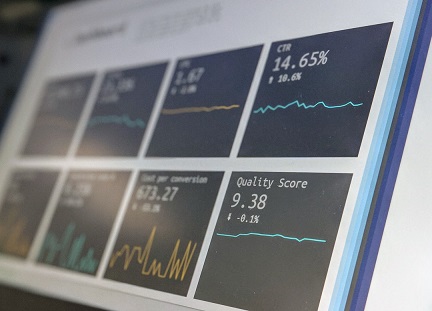
Business intelligence reporting software takes information from one or more data sources and presents it to business analysts in an easy-to-read format. Business users are able to stay informed and get answers to their questions quicker with more meaningful insights into this BI data. This is accomplished through interactive dashboards that scale to thousands of users and not just experienced data analysts. With data analysis software designed to support better decision-making, users can spot trends, identify issues, and generate insights for any BI platform.
With BI dashboards that combine data for real-time summaries, users can view the state of business, track key performance indicators (KPIs), and act faster on the insights they’ve been provided. When software developers embed these dashboards within applications throughout their corporate business model, they make their products more valuable and competitive, benefitting their supply chain and surrounding support systems. These BI tools work with data integration software to take on bI projects as needed based on the data provided and being explored to address potential problems.
What is BI capable of?

With more of an urgency than ever for real-time data and analytics to address business needs, business intelligence software is allowing for easier connection of data sources. With a wide range of data visualization types, there’s more support for expressions to control the look and behavior of this information and analytics. These platforms across business intelligence solutions offer secure access to business users, making for greater data governance and regulatory practices. This allows for strategic decision-making in a secure environment.
With a metadata layer in place, businesses are able to combine data sources without data warehouse tools that can slow down interactivity among these BI tools. Multi-tenancy, essentially a collaborative BI system, allows for web service-based platforms that are accessible with different formats ranging from HTTP to Java. This allows for quicker export and distribution of these various file types, easily accessible through formatted templates across a business intelligence system. With these frameworks in place, organizations across various industries are able to have better visibility and efficiency, making better business decisions easier.
*****
From time to time, GraniteGrok accepts content from third parties (posts, or additional links after initial publication) from which we may or may not receive compensation.
