

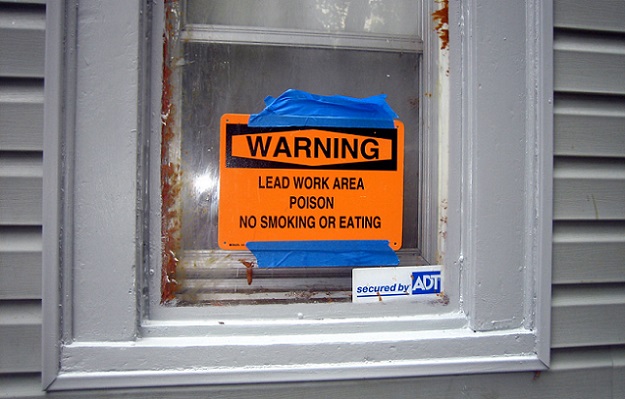
The problem of lead contamination continues to be a problem in New Hampshire, with 580 children diagnosed with high lead levels in their blood in 2019. Most of the elevated levels have been found in children from vulnerable families. Children from families living at or below the poverty level are more at risk of developing lead poisoning, which needs to be resolved.
The two most important factors in determining the heightened risk of developing lead poisoning are the house’s age and the family’s income status in NH. These factors are also the strongest predictors of lead poisoning in children at a national level.
Homes built before 1978 pose the highest risk, and low-income households are more affected due to their housing circumstances. They are more likely to live in older homes that still contain lead-based paint. According to the CDC, homes built in the United States before 1978 often still have some lead paint to one degree or another.
Most experts agree that there isn’t any safe exposure to lead in younger children. Lead poisoning can cause severe symptoms in youngsters, including delayed development, irritability, fatigue, hearing loss, learning disabilities, seizures, and much more. Unfortunately, the symptoms and signs of lead poisoning usually don’t appear until a dangerous amount has accumulated in the bloodstream.
Young children, especially preschoolers, are more susceptible to the harmful effects of an accumulation of lead since their nervous systems and brains are still in the development phase. Many neurological effects are very concerning since some research has shown an association between high lead levels and lower IQs.
Toddlers and babies are notorious for putting things in their mouths, and when a paint chip falls on the ground, the youngster may pick it up and eat it. Usually, however, paint dust is the culprit since it is released into the air when opening or shutting doors and windows and then breathed in. This dust can also end up on a child’s hands and be ingested this way.
When toddlers first start to stand up and walk independently, they start holding onto things to get their balance. For example, they may touch the wall or use the windowsill to guide themselves up onto their feet and get exposed to the lead.
Exposure to lead was once an even bigger problem in the US when leaded gasoline was available for mass consumption. Today, paint is the leading cause of lead poisoning and is a concern across the country, especially in New Hampshire. More than 50% of the homes in the state were built before 1978.
It’s essential to get young children tested when a family lives in an older home. However, this can be a problem for low-income families that have difficulty accessing health care and lowers the child’s chances of getting tested for blood lead levels. Access to healthcare has also been disrupted due to the pandemic. As a result, less with testing is occurring across the board for all types of health conditions.
If you are looking for a home on the listings and have found a house constructed before 1978, it’s crucial to get it tested for lead. If you have any questions about the readings and want information about getting a mortgage for an older home, less with you can ask the experts at 1st UK Money.
*****
From time to time, GraniteGrok accepts content from third parties (posts, or additional links after initial publication) from which we may or may not receive compensation.
