

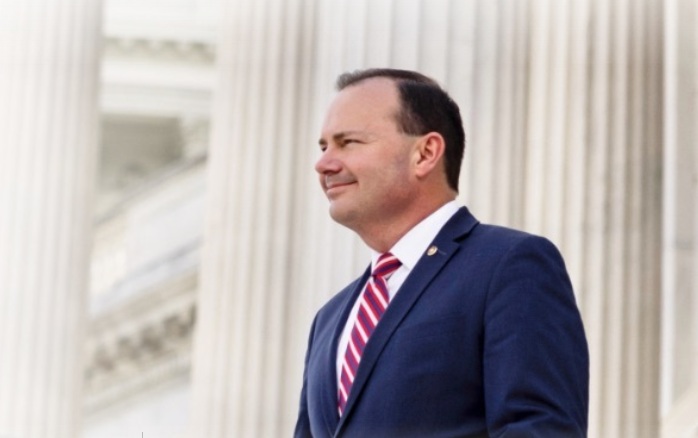
A provocative proposal out of Washington recently — one that sounds like it belongs in a history book, or maybe a pirate movie—but it’s very real.
U.S. Senator Mike Lee of Utah has introduced legislation that would revive a long-dormant constitutional power: letters of marque and reprisal. In plain terms, the bill would allow the President of the United States—specifically President Trump, under this legislation—to authorize private American citizens and companies to seize cartel property and personnel outside U.S. borders, on land or at sea.
The bill is called the Cartel Marque and Reprisal Authorization Act, and it’s being framed as a new weapon in the fight against violent drug cartels flooding the U.S. with fentanyl and other narcotics.
Senator Lee argues this is not some legal novelty. He points directly to the Constitution—Article One, Section Eight—which explicitly gives Congress the authority to grant letters of marque. Historically, those letters allowed private ships to act as privateers, targeting pirates or enemy vessels during wartime. The practice dates back to the founding era and was once a common tool of American defense.
Lee says today’s cartels are the modern equivalent of pirates—foreign criminal organizations operating beyond U.S. borders, attacking Americans through drug trafficking, violence, and organized crime.
Under the bill, the President could commission vetted private operators to pursue cartel assets, seize property, and detain cartel members—so long as those cartels are responsible for an act of aggression against the United States. The bill also requires financial bonds and presidential oversight to ensure accountability.
Supporters say the idea is bold, creative, and long overdue.
Congressman Tim Burchett of Tennessee, who introduced the House version, argues cartels are a national security threat, not just a law-enforcement problem. He says conventional strategies have failed, and it’s time to think differently about defending the homeland.
Critics, however, are already raising red flags—warning of legal chaos, international backlash, and the dangers of privatizing force in foreign countries. Questions remain about jurisdiction, rules of engagement, and how other nations would respond to American-sanctioned private actors operating within their borders.
Still, Senator Lee insists this isn’t about vigilantism—it’s about using a constitutional tool, with presidential approval and congressional authorization, to disrupt cartels where they operate and hit them where it hurts: their money.
Whether this bill moves forward or not, one thing is clear—it has reopened a serious debate about how far the United States is willing to go to confront drug cartels, and whether the answers to modern threats might lie in some very old pages of the Constitution.
For now, the age of American privateers remains theoretical—but the conversation has officially begun.
Authors’ opinions are their own and may not represent those of Grok Media, LLC, GraniteGrok.com, its sponsors, readers, authors, or advertisers.
Got Something to Say, We Want to Hear It. Comment or submit Op-Eds to steve@granitegrok.com
