

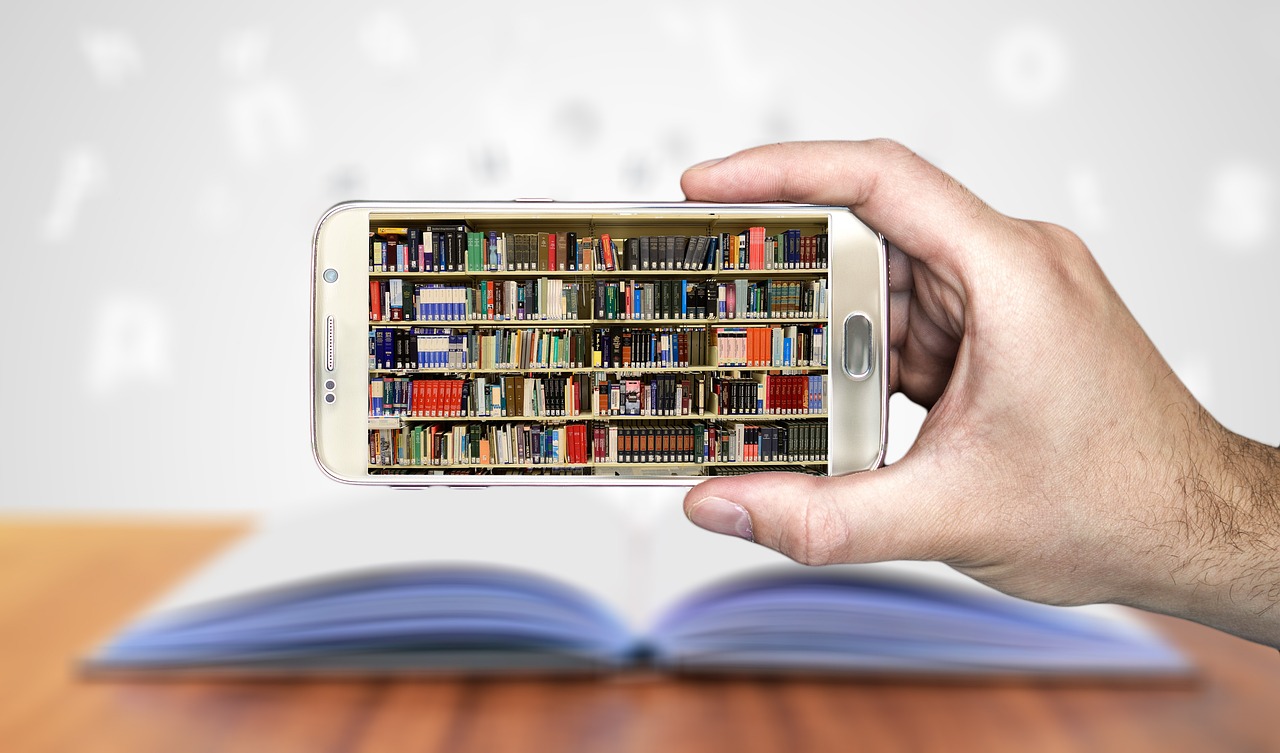
Online libraries make it easier to keep learning by putting books and other study materials within reach at home, at work or on the move. A Z library or another digital collection can support self-directed study, but its name alone tells you little about licensing, reliability or access rules.
How a Z library or other online library can support lifelong learning
These services include public and academic library platforms, digital archives, and ebook collections run by other organizations. Their catalogs may hold ebooks, audiobooks, reference works and journals, searchable by subject, author or publication date.
Remote access suits learning around work, caring responsibilities or an irregular schedule. Readers can search within a text, switch devices or borrow a title without travelling to a branch. Access varies, though: public libraries often require a local card, while academic platforms may be limited to students and staff. Digital loans can have waiting lists, fixed periods or device limits.
An ebook website is not automatically a library service. A site may not explain who runs it or how it obtained its files. Treat the label as a starting point, not proof of licensing or reliability.
Choose an E-library by subject, access rules, and material quality
Start with the learning task. Textbooks, audiobooks and historical reference works call for different collections and formats. Public library apps can suit general reading and audiobooks; university libraries offer scholarly databases and course texts. Open-access repositories help with research, though their material may be specialized.
Check the terms before relying on a catalog: confirm country eligibility, whether the title is available in your location, and the applicable borrowing or use rules. Registration, local membership and regional restrictions can affect what you can access.
Quality depends on the edition, not just the title. Check the author, publisher, publication date and edition, and make sure the full text is available. Older technical books may omit current standards; outdated legal material can mislead, so consult a qualified professional when a legal decision depends on it.
Accessibility matters, too. Check whether text size is adjustable, screen readers are supported, and audiobooks are available. These features can determine whether a platform works for you.
A free library search result does not establish that a download is authorized. Public library, university, publisher and established archive catalogs offer clearer routes, but terms still apply. A public-domain work may be free to use in one country while copyright applies in another.
Find free books without mistaking availability for permission
Free books may come from library lending, open-access collections, public-domain catalogs or author and publisher offers. A library loan is temporary; an open-access license sets permitted forms of reuse; and a public-domain text is generally free of copyright restrictions in the relevant jurisdiction. Check the specific terms.
A file available to read or download without payment is not automatically authorized. Look for the operator’s licensing statement and the rights notice attached to the title. Sites using names such as Zlibrary and Z library should be assessed independently; their names do not establish ownership, lawful distribution or safety.
Rights may differ across parts of a book. An old work may be in the public domain while a recent translation, edited text, cover image or introduction remains protected. Keep the source and its stated license with your notes if you plan to share or reproduce material.
Build a learning routine around the library you can access
Start with one manageable question and a reliable introductory text. Test whether you can open or borrow the book, how long the loan lasts, and whether your device supports it. A waiting list or regional restriction can disrupt a schedule built around one title.
Choose a modest reading slot. Keep brief notes on what you learn, including page numbers or section headings for later reference, and record the edition and publication details from the book itself. For fast-changing fields, choose a current edition before using the material to make decisions.
