

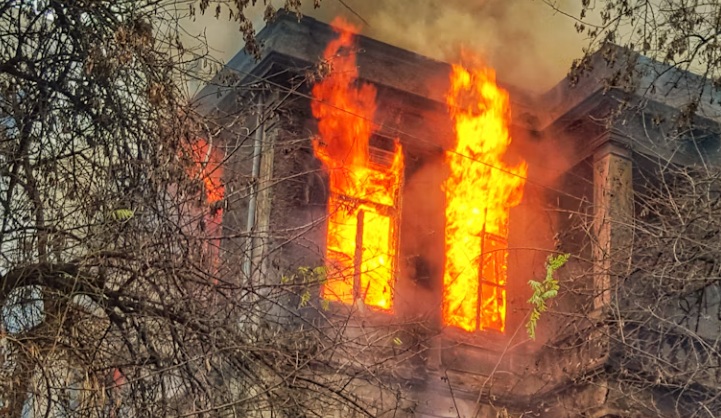
When a lithium-ion battery ignites inside a rented apartment, the question of who pays rarely has one answer, and the fight starts the moment the hoses are rolled up. The battery pack, the charger, the device, the outlet, the lease, the renter’s policy, the landlord’s policy, the retailer who sold the thing, the importer who brought it in from overseas, and sometimes the building itself all end up in the same room. That’s before anyone has sorted out who was hurt and how badly.
This is now a routine problem instead of a freak one because of volume. E-bikes and e-scooters account for roughly 70 percent of lithium-ion fires in dense urban fire data, and most of those fires happen where people live.
What follows walks the sequence as it actually unfolds, from the first spark to the final check.
The Record Starts Being Written Before the Fire
Thermal runaway doesn’t begin with a flame. It begins with a cell that was dropped, overcharged, punctured, left in a hot car, or built with a defect nobody caught at the factory. Weeks or months later the chemistry inside that cell short-circuits, heat climbs, neighboring cells follow, and the pack vents. By the time anyone smells it, the decision tree that determines liability has already been pruned.
What matters here is what the resident did, or didn’t do, in the weeks before. A tenant working with an experienced injury firm will be asked, early and in detail, about the pack’s purchase, the charger used with it, whether it was a replacement cell from a third-party seller, and whether the building had warned residents about charging micromobility devices indoors.
Save the receipts. Keep the box. Photograph the serial number on the pack before anything happens, not after.
The Fire Sorts Everyone Into Categories
Once the pack vents, the people inside the apartment and the people in the units above and beside it become plaintiffs, defendants, or witnesses, often all three at once. A tenant whose own battery started the fire can still be a victim, usually of the retailer or the manufacturer, while standing as a defendant to a neighbor who inhaled smoke and to a landlord who lost a building.
The regulatory posture of the device becomes a real asset or a real problem at this point. The CPSC’s proposed federal rule would make UL certification the national floor for micromobility batteries, and some jurisdictions are already there. A pack that lacked the required certification creates a built-in theory against whoever sold it. A certified pack that failed anyway points harder at a specific defect.
The First Week Decides Who Gets Blamed
Fire marshals and private investigators converge in the first few days, and the pack itself, or what’s left of it, is the single most important piece of physical evidence in the case. If it goes into a dumpster, the case goes with it. The resident, the landlord, and the insurers all have reason to preserve it, and they do not always cooperate on that.
Insurance Fights Start Before the Lawsuits Do
The landlord’s policy covers the building and not the tenants’ belongings, and the tenant’s renters policy covers belongings and some liability but not the structure. When a tenant’s device caused the loss, the landlord’s insurer will often pay the building claim and then come after the tenant for reimbursement, a process called subrogation. A tenant without renters insurance can face a six-figure demand from a carrier they’ve never spoken to.
The counter-move, in a case where the pack was defective or uncertified, is to point the subrogation claim back up the supply chain. The retailer who sold the uncertified pack, the online marketplace that listed it, the importer who brought it in, and the manufacturer are all potential defendants. In practice, the tenant’s lawyer and the landlord’s insurer sometimes end up on the same side of that fight, which surprises everyone involved.
The Long Tail Lands on Whoever Can’t Document What Happened
Months later, when the depositions start, the case usually turns on paper and metadata rather than memory. The purchase record for the pack. The listing screenshots, and the building’s prior complaints about charging in hallways.
Then come the emails between the super and the resident, the firmware version on the charger, and the lease clause nobody read about prohibited appliances. Residents who kept almost nothing end up in the worst position, because the defendants with the deepest pockets are the ones most able to produce records of their own.
A tenant who can show the pack’s provenance, the certification markings, the charger used, and the building’s prior notice of micromobility charging has a real argument to make. A tenant who can show none of that is relying on an investigator to piece it together after the fact, which sometimes works and sometimes doesn’t.
The fire is a single event. The case built around it runs on everything that was written down before and after.
