

For generations, small farms have run on tradition, experience, and long days in the field. But the gap between a small operation and a large industrial one has always come down to one thing: resources. Big farms can afford big investments justified by working on big volumes, while small farms need to do with what they have.
That gap is closing; the technology is helping. A new wave of affordable, accessible technology is giving small and family-run farms tools that were once reserved for large agribusiness; and it’s changing what self-sufficiency actually looks like on the ground.
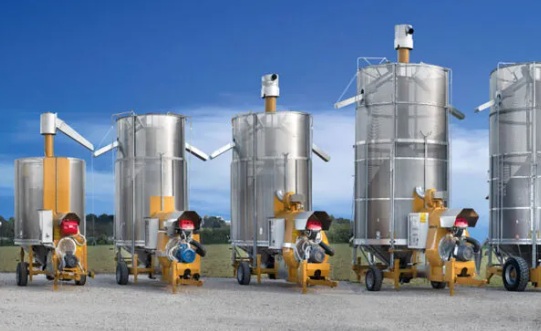
We talked about it with Mecmar Spa, a manufacturer of grain dryers.
Smarter harvesting starts before the harvest
With a trend of fewer people working on the land, preferring to move in larger cities with a different lifestyle and the balance sheet that is becoming a more and more intricate puzzle to solve, a wide range of tools are taking place.
Self-sufficiency doesn’t begin at the storage shed. It begins in the field, with decisions about when and how to harvest. Small farms are increasingly using low-cost soil moisture sensors, weather stations, and satellite imagery services to time their harvests more precisely. Instead of guessing based on the calendar or the color of the crop, farmers can now check a phone app to see real soil conditions, projected rainfall, and optimal harvest windows.
This matters because timing affects everything downstream. A crop harvested at the wrong moisture level spoils faster, stores poorly, and loses value. Getting the timing right, even by a day or two, can mean the difference between a harvest that lasts through winter and one that rots in a barn.
Affordable automation in the field
Automation used to mean six-figure equipment. Today, small farms are adopting simpler, modular tools: solar-powered irrigation controllers, small-scale drones for crop monitoring, and handheld sensors that read plant health in seconds. These tools don’t replace the farmer’s judgment: they extend it, giving one or two people the ability to monitor land that would once have required a much larger crew.
Battery-powered and solar-charged equipment has been particularly important here. Many small farms operate without reliable grid access, and solar-based systems let them run irrigation pumps, sensors, and even small processing equipment independent of the power company.
Storage: the quiet revolution
If harvesting technology gets the attention, storage technology is where self-sufficiency is really won or lost. Post-harvest loss is one of the biggest hidden costs in small-scale agriculture, especially in
crops such as maize, paddy rice, cereals – in many regions, a significant share of harvested crops never reach a buyer or a table because they spoil in storage. Five developments are changing that:
- Mobile dryers: this solution gives large flexibility to dry quickly anytime, anywhere the crops as just harvested in little time without need of infrastructures.
- Solar-powered cold storage: small, off-grid cooling units (some no bigger than a shipping container) let farms keep produce, dairy, or meat at safe temperatures without needing a connection to the electrical grid. For farms in remote areas, this alone can double the window in which a product stays sellable.
- Hermetic and controlled-atmosphere storage bags: simple, low-tech sealed bags and containers that reduce oxygen exposure have proven remarkably effective at protecting grains and legumes from pests and mold, cutting losses without any electricity at all.
- Connected monitoring: cheap humidity and temperature sensors, connected to a basic mobile app, now let farmers monitor a grain silo or root cellar remotely. A spike in humidity (often the first sign of spoilage) can be caught and addressed within hours instead of being discovered weeks later when the damage is done.
- GPS self-driving: tractors allow to reduce the need of an operator sitting on the tractor, while the same person can be managing more equipment doing the job autonomously.
Data as a form of independence
Perhaps the least visible but most important shift is in data. Small farms are gaining access to simple record-keeping and planning apps that track yields, input costs, and storage conditions over time. This turns farming from a year-to-year gamble into something closer to a managed system: farmers can see which fields underperform, which storage methods actually reduce loss, and where money is being lost to inefficiency.
This kind of self-generated data is a form of independence. It reduces reliance on middlemen, advisors, or guesswork, and puts decision-making back in the hands of the people who work the land and increase the yield and the revenues per hectare, while spending less effort.
Why this matters beyond the farm
Self-sufficient small farms are more resilient to price shocks, supply chain disruptions, and climate volatility. When a farm can harvest at the right time, store crops without heavy losses, and make decisions based on real data rather than tradition alone, it becomes less dependent on external systems that are often out of its control.
The technology making this possible isn’t flashy. It’s solar panels, simple sensors, sealed bags, and modest apps; unglamorous tools solving a very old problem. But for the small farms adopting them, the effect is significant: more of what they grow actually makes it from the field to the table, and more of the value they create stays where it belongs with them. For a better self sustainable life in the farms, against a more stressed and less rewarding lifestyle in the city centers.
