

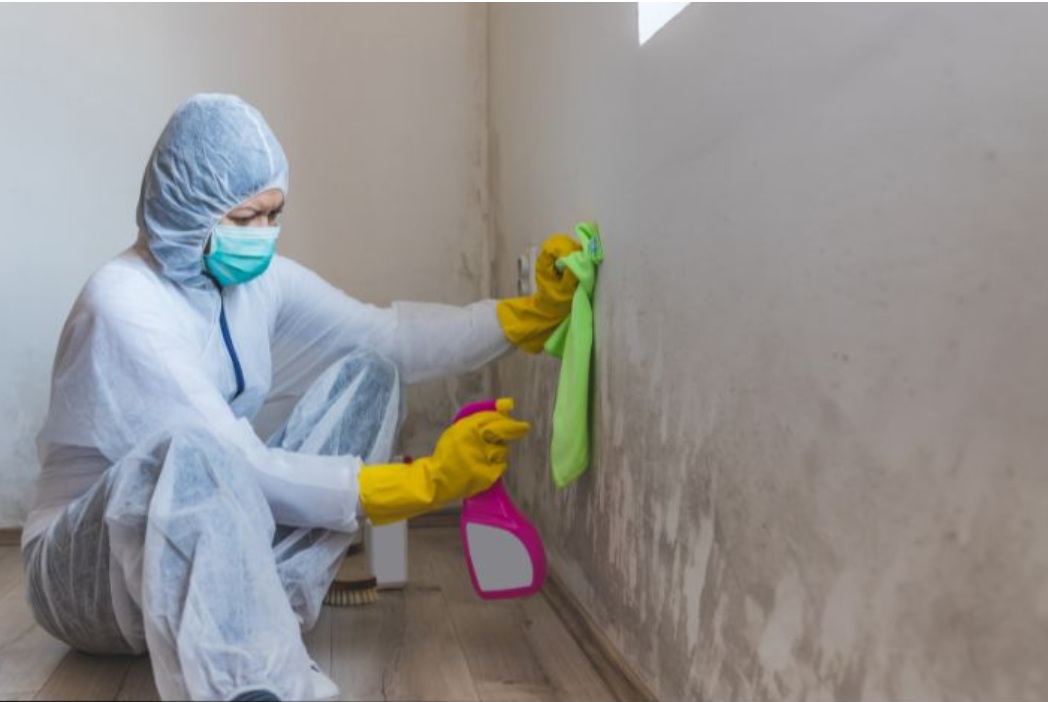
When mold appears in your home, it can be tempting to grab a spray bottle and treat the surface yourself. While DIY sprays may temporarily lighten staining or reduce visible growth, they rarely address the source of the problem. For homeowners looking for mold removal in Toronto, where wet weather and intense heat can contribute to the fast spread of mold, the difference between a quick spray and professional treatment comes down to depth, safety, and long-term results. Mold is often a symptom of moisture, poor ventilation, leaks, condensation, or water damage. If those issues are not corrected, mold can return even after the surface looks clean.
Professional mold removal services are designed to identify the source, control the spread, remove contaminated materials safely, and help prevent the problem from coming back. A structured six-step mold removal process does more than clean what you can see. It manages the full contamination concern from inspection to verification.
What Do DIY Mold Sprays Actually Accomplish?
Not every small spot of surface mold requires a full remediation project. If mold is limited to a very small area on a non-porous surface, and there is no musty odour, water damage, health concern, or recurring growth, basic cleaning may be enough.
However, DIY sprays are not recommended when mold covers a larger area, keeps returning, appears after flooding, affects porous materials, or is found in places like attics, basements, crawlspaces, drywall, insulation, or HVAC-related areas. If you are unsure, it is safer to book an inspection before disturbing the material.
Where DIY Mold Removal Often Falls Short
Do-it-yourself mold removal sprays are usually made with bleach, which can whiten or fade the appearance of mold infestations. Still, they don’t typically address the actual mold itself. This can make it appear as if the mold is gone. At the same time, it remains intact. It continues to spread around your property, negatively impacting your air quality and eating away at important building materials.
DIY mold sprays can seem like an easy fix because they are affordable, accessible, and simple to use.The issue is that many mold problems are not only sitting on the surface.
Mold can grow behind drywall, under flooring, inside insulation, around window frames, inside wall cavities, or across attic sheathing. When sprays are used on a deeper mold problem, the visible growth may fade while the underlying contamination remains. In some cases, scrubbing or spraying can disturb mold spores and spread them into the air.
This is especially important with attic mold. Attics often have poor ventilation, condensation, roof leaks, bathroom fan exhaust issues, or insulation problems that contribute to mold growth. Spraying the sheathing without fixing the moisture source does not solve the real issue.
What a Six Step Mold Removal Process Does Differently
A professional six-step mold removal process is built around controlling the entire problem, not just treating a stain. While every property is different, a proper process usually includes inspection, containment, air filtration, removal or cleaning of affected materials, source correction, and post-remediation verification.
The inspection helps determine where the mold is, how far it may have spread, and what caused it. Containment prevents spores from moving into unaffected areas during work. Air filtration helps reduce airborne particles while remediation is underway. Proper cleaning or removal addresses the affected materials directly, while moisture correction helps reduce the chance of future growth.
This organized approach is why professional mold removal services deliver better results than DIY sprays in most moderate or serious cases.
Professional Equipment and Expertise Makes a Difference
Professional mold remediation teams in Toronto use equipment that is not typically available in a homeowner’s cleaning cabinet. This can include HEPA filtration, negative air machines, containment barriers, moisture meters, thermal imaging, antimicrobial treatments, and specialized cleaning methods.
These tools matter because mold removal is not only about appearance. A wall, ceiling, or attic surface can look better while hidden moisture remains behind the material. Professional equipment helps identify these issues and confirm that affected areas are drying properly.
For mold removal in Toronto, this is particularly important in older homes, finished basements, attics, and properties with a history of water damage. Mold can spread quietly when moisture is trapped and left unaddressed.
Why Attic Mold Needs Professional Attention
Attic mold is one of the most common examples of why sprays are not enough. The staining may be visible on roof sheathing. Still, the cause is usually connected to ventilation, insulation, air leaks, condensation, or roof issues. If the underlying condition remains, the mold can return.
A professional team can assess the attic environment, identify contributing factors, and recommend the right attic mold remediation plan. This may include mold removal, improved ventilation, air sealing, insulation adjustments, or repairs to reduce moisture buildup.
Which Option Delivers Better Results?
DIY sprays may help with minor surface cleaning. Still, they are not a substitute for professional remediation when the problem is active, hidden, recurring, or connected to moisture. A professional six-step mold removal process delivers better long-term results because it addresses the contamination, the cause, and the conditions that allow mold to grow.
Trust Professional Mold Removal for Safe and Reliable Results
If mold is affecting your home, do not rely on a spray bottle alone. Professional mold removal services can help protect your property, improve indoor conditions, and give you clearer answers about what is happening behind the surface.
