

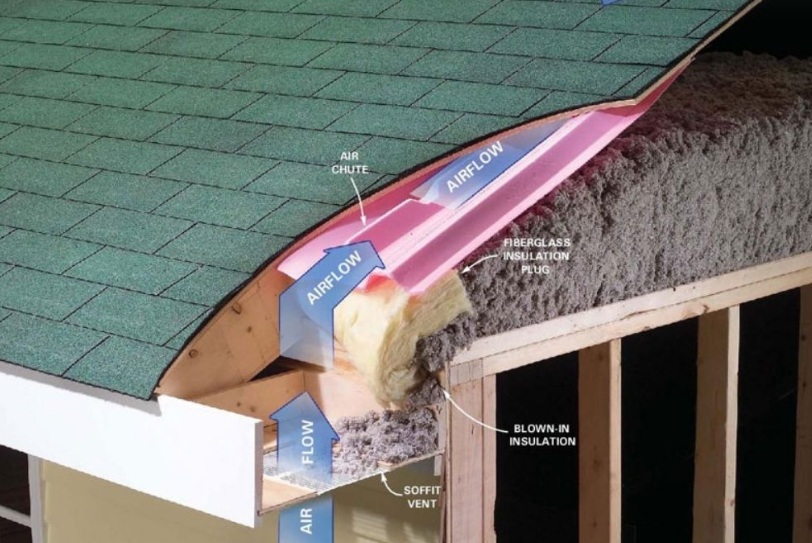
For homeowners comparing attic ventilation in Toronto and the cost of upgrading attic insulation, it is worth understanding how closely the two are connected. When an attic is poorly ventilated, it can trap heat, humidity, and condensation. Over time, that moisture can make the space feel underperforming, even when the issue is not always the insulation itself. Before assuming you need to add more material, it is important to look at how air is moving through the attic and whether the space can properly breathe.
A well-performing attic needs balance. Warm, moist air needs a way to escape, and fresh air needs a way to enter. When that airflow is blocked, too limited, or uneven, the attic can become too hot in the summer and too damp in the winter. This can affect comfort, energy efficiency, roof performance, and the condition of the materials already in place.
Why Ventilation Problems Can Look Like Insulation Problems
Many homeowners first notice attic issues because upstairs rooms feel too hot, energy bills increase, or the home feels harder to cool. The first assumption is often that more insulation is needed. In some cases, that may be true. But if the attic is not ventilated properly, adding more material may not solve the real problem.
Poor attic ventilation in Toronto homes can cause heat to build up under the roof deck. During the summer, this can make the upper levels of the home feel warmer and put extra demand on the air conditioning system. If air is not moving properly, heat stays trapped longer and the home may feel less comfortable even when the existing insulation is doing part of its job.
Moisture is another concern. Everyday activities like showering, cooking, laundry, and indoor humidity can send warm air upward. If that air enters the attic and cannot escape, condensation can form. That moisture can settle into building materials and reduce overall performance.
The Cost of Treating the Symptom Instead of the Cause
When ventilation is ignored, homeowners may spend money on upgrades that do not fully address the issue. If airflow is restricted, the attic may continue to feel inefficient after more insulation is added. This can lead to repeat service calls, higher repair costs, and frustration because the original comfort problem has not been corrected.
The smarter approach is to assess the attic as a system. That means looking at air intake, exhaust, insulation depth, moisture staining, blocked vents, roof ventilation, and signs of condensation.
When Insulation Still Matters
Ventilation is not a replacement for insulation. Both play different roles. Ventilation helps manage air movement, heat, and moisture. Insulation helps slow heat transfer between the living space and the attic. If one is working and the other is not, the attic may still underperform.
This matters because attic insulation can only perform properly when the surrounding conditions support it. If moisture is collecting, air is stagnant, or vents are blocked, the attic may continue to experience comfort and efficiency issues. In homes that genuinely need an upgrade, blown-in cellulose insulation can help improve coverage and thermal performance, but it should be installed as part of a proper attic plan rather than as a quick fix.
Signs Your Attic May Need Better Ventilation
There are a few common signs that ventilation may be contributing to attic problems. These include hot upper-floor rooms, musty odours, visible condensation, damp or discoloured roof sheathing, premature roof wear, uneven indoor temperatures, or insulation that appears compressed or moisture-affected.
Homeowners may also notice that cooling costs increase during the summer, even when the HVAC system seems to be running normally. In these cases, the attic may be holding too much heat and transferring some of that heat back into the home.
Start With an Attic Inspection in Toronto
Before committing to major upgrades, start with a detailed attic inspection. The goal is to find out what is actually happening in the space. If ventilation is the main problem, improving airflow may help the attic perform better and prevent unnecessary spending. If both ventilation and insulation need attention, the work can be planned in the right order.
Instead of paying for the same comfort issue twice, you can address the source of the problem and protect the long-term health of the home.. By checking ventilation first, then deciding whether additional insulation is truly needed, homeowners can make better decisions, avoid preventable costs, and create a more comfortable home year-round.
