

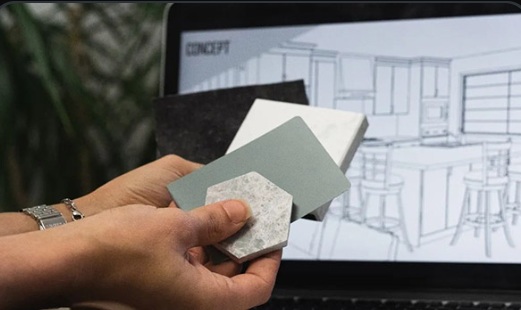
With online education, interior design training is available no matter where you are. Structured digital courses help to develop the same skills as classroom courses. This guide discusses what an interior design course online is about. Students study through video modules, by doing assignments, and receiving feedback from the teacher without travelling to school.
Explaining the structure of an online interior design program
The self-paced learning structure
Learners enter a learning portal that provides access to all course materials. No fixed class times means that studying occurs anytime, day or night. Modules are activated/deactivated sequentially. How the self-paced system works:
- Access materials anytime: materials are downloadable PDFs, recordings of lectures, etc., and lists of reading materials are organized in one dashboard.
- Complete home projects: Measure rooms, create sketches/plans of home floor layouts, and compile a mood board from actual spaces from the world.
- Submit online assignments: Upload PDFs, images, and CAD files online to be marked by the tutor.
- Progress individually: Individuals complete the course in 3 months or 12 months, depending how much time they have for studying.
Tutor support and feedback methods
Every assignment submitted is evaluated by a professional designer having a background in the industry. Questions are answered using the messaging systems or booked video sessions via a personal tutor. Feedback is focused on practice rather than theory. Here are some benefits to choosing an online interior design education:
- Message tutors directly: Send questions to tutors in person, on the subject of assignment briefs or in relation to other resources.
- Schedule video calls: Schedule a 30-minute video call for new video portfolio reviews and personal video career advice.
- Receive video feedback: View video tutorials that note the tutor’s overlaid marking feedback on screen.
- Join student forums: Share work, ask problem-solving questions, and celebrate when handling modules are completed with peers
Software training and technical requirements
There are online courses which generally provide training on industry standard design software programs. Students will require a laptop that they can run CAD and rendering software on. Free trials/student licenses are valid for the course. Take a look at the following technological skills acquired in online learning:
- Learn CAD basics: Learn to draw the basics of CAD and how to draw walls and add windows in a step-by-step screen recording.
- Practice rendering software: Download some ready-made room models to use to practice texture and light work.
- Master mood boards: merging together fabric swatches, paint codes, and furniture images to create a professional mood board.
- Use cloud storage: Save all CAD files, renders, and written work in the cloud to Google Drive or Dropbox.
- Install measurement apps: Measure the area of a room in a snap with an augmented reality app using a phone.
Assessment methods and grading criteria
In most interior design classes, instead of nightmarish exams, students face assignments. Individual projects also explore a range of specific skills such as the ability to signpost spatial planning or material selection. Grade level criterion provides a clear understanding of what receives points for a high mark. These are assessment types in quality online programs:
- Real-world projects: Design a living room for a family with four children who have storage requirements.
- Written reflections: Provide explanation for the use of colour palette (or lighting plans) within 200 words.
- Multiple-choice quizzes: Tests the users’ knowledge of basic terms such as light reflectance value and circulation zones.
- Portfolio submission: Organize 6-8 best projects for use on job applications in a professional PDF format.
- Peer review assignments: Critically review another student’s floor plan, based on the grading rubric.
Conclusion
The online course in interior design is based on tutor feedback, self-paced module learning, and applied projects. Students have access to video lessons, assignments through a portal, and individual guidance. The learning package is rounded off with software training and clear grading criteria. The best outcomes will be seen on courses that offer good tutor support.
