

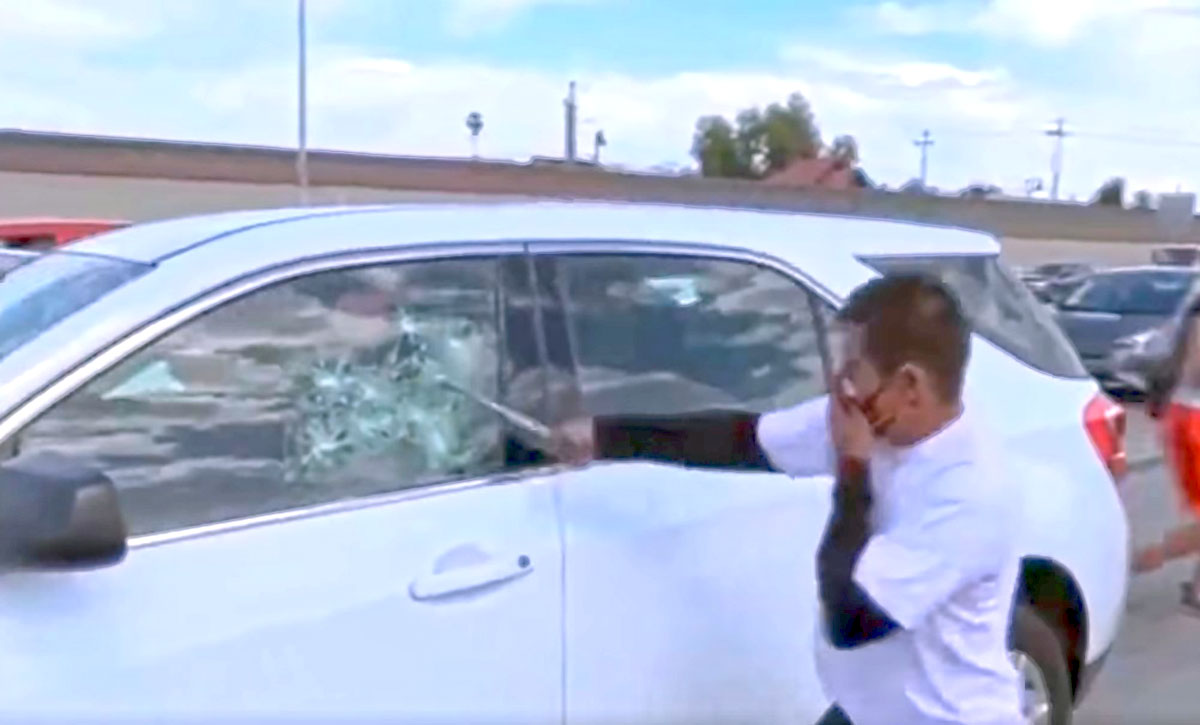
In recent years, the landscape of property crime has shifted dramatically. While homeowners once worried primarily about traditional burglaries, the focus for many criminals has migrated toward the driveway. With the average cost of new and used cars reaching record highs, your car or motorcycle is often the most valuable “moveable” asset you own. Prioritizing vehicle safety is no longer just about choosing a model with high crash-test ratings; it is now an essential part of a broader strategy to protect your financial well-being and daily independence from increasingly sophisticated thieves.
The New Reality of Vehicle Theft
Vehicle theft isn’t what it used to be. The days of “hot-wiring” an old sedan are largely behind us, replaced by high-tech methods that can bypass modern security in seconds. In 2026, we are seeing a rise in “relay attacks” and CAN bus injections, where thieves use electronic devices to trick a car into thinking the key fob is present.
This evolution in criminal tactics means that property protection must be proactive rather than reactive. It’s no longer enough to simply “lock the door and hope for the best.” Thieves are treating theft like a business, often targeting specific models for parts or international export.
Common Mistakes That Invite Trouble
Even the most cautious owners often fall into habits that make their property a “soft target.” Awareness is the first step toward prevention. Here are the most common oversights:
- The “Five-Minute” Rule: Many thefts occur when owners leave their engine running while “just popping into” a coffee shop or a post office. A running car is an open invitation.
- Key Fob Placement: Storing your keys on a hook right by the front door makes it incredibly easy for thieves to perform a relay attack from the sidewalk.
- Leaving Valuables in Plain Sight: A gym bag or a laptop sleeve on the passenger seat is enough to justify a “smash and grab,” which often leads to the entire vehicle being compromised.
- Ignoring Physical Deterrents: Relying solely on factory electronics can be a mistake. If a thief has the tech to bypass your software, they have nothing stopping them from driving away.
A Layered Approach: Modern Security Tools
The most effective way to protect your property is through a “layered” security approach. The goal is to make your vehicle take too long or be too much effort to steal, forcing the thief to move on to an easier target.
1. Physical Deterrents
Old-school tech is making a massive comeback. Steering wheel locks and wheel clamps provide a visual warning that says, “this will be a hassle.” Even if a thief bypasses your electronic ignition, they still have to physically cut through hardened steel to steer the car.
2. Smart Alarms and Immobilizers
Modern smart alarms can send real-time alerts to your smartphone if your vehicle is bumped or if a door is opened. Most modern cars come with factory-installed immobilizers, which prevent the engine from starting without the correct cryptokey. However, aftermarket immobilizers that require a specific sequence of button presses on the dashboard (a “ghost” code) provide an extra, nearly unbreakable layer of security.
3. GPS Tracking
If the worst happens and your vehicle is taken, GPS tracking is your best chance at recovery. Modern trackers are tiny, easy to hide, and provide real-time location data to your phone and the police. Some systems even allow you to remotely disable the starter motor once the vehicle has come to a safe stop.
4. Faraday Pouches
For those with keyless entry systems, a Faraday pouch is a non-negotiable tool. These small, inexpensive sleeves block the radio signals emitted by your key fob, preventing thieves from “grabbing” your signal while you’re asleep.
Protecting Different Types of Property
While cars are the primary target, other vehicles require specialized care:
- Motorcycles: These are high-value and high-risk due to their portability. Always use a ground anchor in your garage and high-quality disc locks with built-in sirens when parked in public.
- Vans: For tradespeople, the van is their livelihood. Thieves often target vans for the tools inside. Internal “deadlocks” and “slam-locks” are essential upgrades to factory sliding doors.
Secure Parking Habits
Where you leave your vehicle is just as important as what you put on it. Whenever possible, park in well-lit areas with high foot traffic. If you have a garage, use it—don’t use it as a storage unit while your $50,000 SUV sits on the street. If you must park in a driveway, consider installing a motion-activated floodlight and a visible security camera (like a Ring or Nest) aimed directly at the vehicle.
Final Thoughts: Staying Proactive
Protecting your property in 2026 requires a blend of common sense and modern technology. While no system is 100% foolproof, being a “hard target” is often enough to deter even the most determined thieves. By investing in a few physical deterrents, utilizing GPS tracking, and breaking bad habits like leaving keys near the door, you can ensure that your vehicle stays where it belongs: in your possession.
Property protection is an ongoing process of awareness. Stay informed about local theft trends, keep your security software updated, and never underestimate the power of a simple steering lock.
