

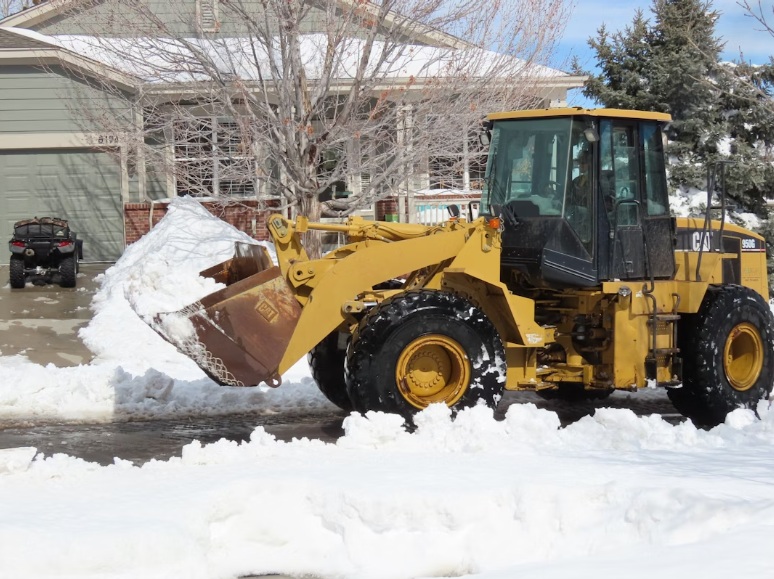
Introduction: Winter in New England Isn’t for the Faint of Heart
When the first flakes start swirling across New Hampshire, there’s a mix of excitement and dread in the air. The beauty of a fresh snowfall is undeniable—trees coated in white, neighborhoods transformed into snow-globe scenes. But behind that postcard view lies a reality every homeowner in the Granite State knows all too well: snow is heavy, ice is unforgiving, and winter always tests the strength of our homes.
And here’s the thing—surviving a winter storm isn’t just about grit and a good pair of boots. It’s also about preparation. For many families across the Granite State, that kind of preparation often starts with calling on Tuck Home Services—a trusted name in snow removal, landscaping, and year-round property care.
Because let’s be honest: the storms aren’t getting lighter, and our homes can’t be ignored when the weather turns brutal.
The Relentless Weight of Snow
Snow looks soft when it falls, but pile it on a roof for a few weeks and it’s a different story. Wet snow can weigh more than twenty pounds per cubic foot. That means a single storm can dump thousands of pounds of stress on shingles, beams, and gutters.
Maybe you’ve heard a neighbor mutter, “The roof groaned louder than the wind last night.” That’s not exaggeration—it’s physics. And while we joke about it, roof collapses aren’t rare in New England. From barns to garages to living rooms, homeowners have learned the hard way that ignoring snow load is like playing roulette with nature.
The same weight also wreaks havoc on decks and porches. That back deck you grilled on in July? By February, it’s carrying enough snow to rival the weight of a pickup truck. Without proper construction and seasonal maintenance, it’s only a matter of time before the boards bow or worse, snap.
Here’s the point: snow doesn’t just melt and vanish. It lingers, pushes, soaks, and sometimes breaks what we’ve built.
Snow Removal Isn’t Just About Convenience
Sure, it’s nice to pull into a driveway that’s been cleared down to the pavement. But let’s not kid ourselves—snow removal is about far more than convenience.
When your driveway is iced over, good luck backing out without fishtailing. When your walkway is buried, elderly neighbors or delivery drivers face a slip-and-fall hazard that can send someone straight to the ER. And when a plow truck hasn’t touched your road in hours, emergency vehicles can’t reach you in time.
Snow removal is safety, plain and simple. It’s access. It’s mobility. It’s protecting property values by keeping the place looking cared for, even when the world outside looks like Siberia.
And here’s where the rub comes in: New England storms don’t keep business hours. They roll in overnight, on holidays, and during dinner. Reliable plowing isn’t just helpful—it’s peace of mind when the world shuts down under a blizzard.
Rot and Water Damage: The Hidden Enemies
Not every winter problem announces itself with a bang. Some creep in quietly.
Take rot, for instance. Melted snow trickles under siding, seeps into decking, and drips down foundations. By the time spring arrives, what looked like harmless staining has turned into soft wood, swelling frames, and—if you’re unlucky—structural repairs that cost more than a family vacation.
Rot isn’t dramatic like a roof collapse. It’s slower, sneakier. But left alone, it eats away at a home’s bones until the cost of fixing it feels crushing. That’s why maintenance matters so much. Something as simple as clearing snow away from the base of a house or making sure gutters are angled correctly can save thousands down the line.
Water, after all, always finds the path of least resistance. And it doesn’t care whether that path runs through your deck joists or your basement wall.
Driveways and Walkways: The Beaten Path Takes a Beating
Let’s talk driveways. Everyone jokes about New Hampshire potholes being the state flower, but homeowners know the truth: freeze-thaw cycles can eat asphalt alive.
Picture this: water seeps into the smallest crack in October. By January, it freezes, expands, and forces the crack open like a crowbar. Come March, the cycle repeats. By April, what started as a hairline fracture has become a pothole the size of a soup bowl.
Concrete walkways don’t escape either. They heave, tilt, and split when frost gets underneath them. And beyond looking bad, they become dangerous. One wrong step on an uneven slab, and suddenly you’re explaining a twisted ankle to your boss.
Driveway repairs, sealing, and resurfacing aren’t glamorous expenses, but they’re necessary armor against a climate that doesn’t play fair.
The Rise of Outdoor Living, Even in the Cold
It might sound strange, but winter has made New Englanders more creative about outdoor living. Sure, we retreat indoors when the wind howls, but many families now treat decks, patios, and fire pits as year-round spaces.
You’ve probably seen it yourself: neighbors bundled in flannel around a propane fire table in January, sipping hot cider while snow drifts quietly around them. It’s not hibernation—it’s adaptation.
But here’s the catch. Outdoor spaces need to be built and maintained with the climate in mind. Pressure-treated lumber, proper drainage, rot-resistant design—without them, your dream deck can quickly become a liability. That’s where experienced contractors prove their worth. They know that a deck in New Hampshire isn’t the same as a deck in North Carolina. It has to carry snow, resist ice, and still look good when the thaw comes.
Community Connection: Why Reliable Local Services Matter
There’s a reason Granite Staters lean on local companies for maintenance and repairs. Outsiders don’t always get it. They don’t understand why plowing a steep gravel driveway is different from clearing a flat suburban one. They don’t understand the urgency of clearing snow before it turns to an ice rink.
But local services aren’t just about knowledge—they’re about trust. When a contractor knows your name, your street, and your quirks, they’re not just a hired hand. They’re a neighbor. And in rural parts of New Hampshire, that relationship matters.
We live in a region where community isn’t an abstract idea—it’s survival. Whether it’s checking on an elderly neighbor during a storm or keeping a business parking lot clear for safety, local services hold the fabric of our towns together.
Property Maintenance as Long-Term Stewardship
It’s tempting to think of property care as putting out fires—fixing what breaks when it breaks. But the truth is, maintenance is stewardship.
Houses aren’t just wood and shingles. They’re family anchors. They’re the backdrops to Christmas mornings, Sunday cookouts, and kids racing out to catch the bus. When we neglect them, we’re not just risking financial loss—we’re risking the places that hold our stories.
And from a practical standpoint, stewardship saves money. Repairing rot early is cheaper than replacing a wall. Clearing driveways regularly prevents accidents that could trigger lawsuits. Maintaining gutters protects foundations. It’s not glamorous work, but it’s the kind of work that keeps the lights on and the memories intact.
Practical Winter Tips That Save Money and Headaches
Here are a few things every homeowner can do—little steps that make a big difference when storms roll in:
- Clear vents regularly. Blocked vents from snow can cause carbon monoxide buildup inside the home.
- Trim overhanging trees. Ice-laden branches snap easily, and they tend to land on power lines or cars.
- Salt walkways early. Once ice bonds to pavement, it’s nearly impossible to remove without damage.
- Check sump pumps. Melting snow in March often floods basements, and a dead pump means soaked carpets.
None of these tasks are particularly thrilling, but together they form a safety net.
Closing: Surviving Winter Means Working Smarter, Not Harder
New England winters will always be demanding. They’ll always throw blizzards, ice storms, and freezing winds our way. But the difference between stress and security often comes down to preparation.
You don’t beat winter—you manage it. You respect it. You work smarter, not harder. And you lean on the people who know how to keep homes standing tall in the storm.
That’s the real value of property maintenance. It’s not about perfection—it’s about resilience. And in a region as tough and proud as New Hampshire, resilience is something we can all agree is worth investing in.
