

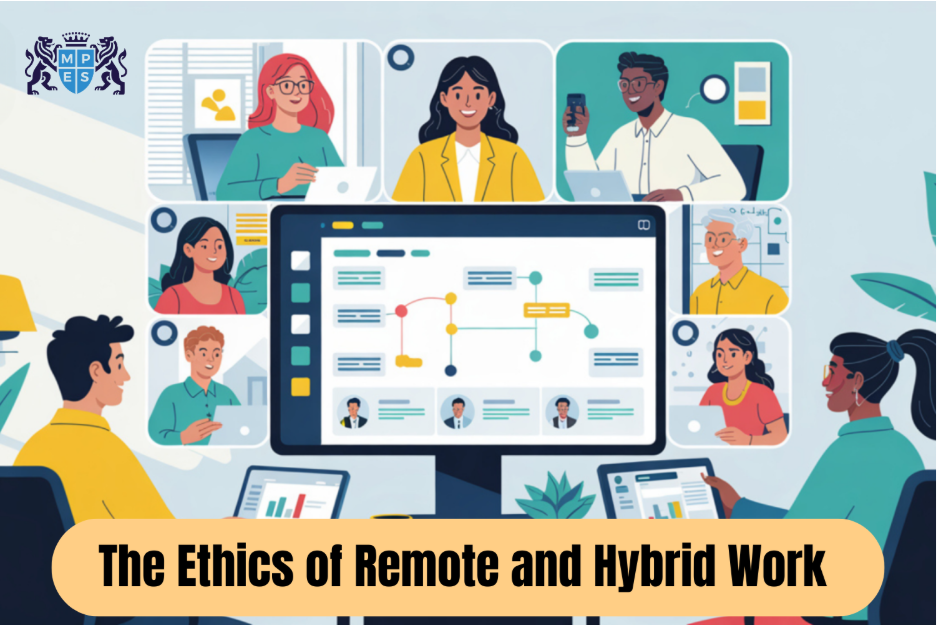
What happens when working from home becomes the new normal? As more professionals pursue the CIMA Qualification, they are stepping into leadership roles that demand more than financial skills. Leading in remote or hybrid settings brings fresh ethical questions to the surface. From privacy issues to fair treatment, a clear Code of Ethics is now more important than ever.
Let’s unpack the ethical side of flexible work and see how smart decisions can build trust and accountability in this digital age.
Table of Contents
- Understanding Why Ethics Matter in a Flexible World
- Key Ethical Practices for Remote and Hybrid Work Success
- Conclusion
Understanding Why Ethics Matter in a Flexible World
Remote and hybrid work is not just a shift in location, but a change in how we build relationships, manage trust, and measure productivity. Ethics are central to this shift. Without the constant visibility of traditional offices, employees are expected to work independently and make good decisions. Organisations that promote honesty, fairness, and transparency from the start create stronger cultures. Misunderstanding, burnout, and distrust can quickly occur when ethics are overlooked. Starting with the right values sets the tone for long-term success.
Key Ethical Practices for Remote and Hybrid Work Success
Ethical practices must guide every decision to build trust and fairness in flexible work environments. Below are the essential ways to ensure your remote and hybrid teams stay aligned with strong ethical values:
Respecting Employee Privacy in a Digital Setup
Managers can use monitoring systems to monitor productivity, but there is a boundary between oversight and intrusion. Over-monitoring employee behaviour can lead to anxiety and annoyance. Leaders who uphold ethics are open and honest about the instruments they employ and their motivations. If surveillance is required, it must be kept to a minimum and made explicit. Even when employees work from home, respecting their privacy demonstrates that a business values and trusts their boundaries.
Ensuring Equal Access and Fair Opportunities
Office employees may have greater visibility and access to decision-makers in hybrid environments. Unfair advantages in promotions or recognition may result from this. Ethical leaders actively work to avoid this by establishing transparent procedures that involve every team member. The same possibilities for leadership, growth, and contribution should be available to virtual employees. Regardless of where they work, everyone feels included and their morale is raised when treated fairly.
Setting Clear Expectations for Remote Teams
Remote employees may be unclear about work hours, availability, and expectations if they don’t have face-to-face interaction. Confusion, missing deadlines, or even tension result from this. An ethical workplace culture takes care of this right away. Written policies that address task management, communication, and working hours should be in place for teams. Everyone can operate more calmly and confidently with clear guidelines since everyone knows what is expected.
Protecting Data and Maintaining Confidentiality
Accessing private information from personal devices or home networks is a common part of working remotely. The absence of clear regulations puts customer and business data at risk. Providing secure tools, educating teams on data protection, and promoting accountability are ethical practices. Simple practices like avoiding public Wireless Fidelity or WiFi and creating secure passwords can significantly impact. Information security is a moral obligation as well as a smart business move.
Supporting Mental Wellbeing Without Overstepping
In flexible settings, mental health is more important than ever. Employees who work remotely may experience stress or loneliness. Without being intrusive, ethical leaders provide resources and conduct routine check-ins. Listening, allowing space, and respecting privacy are all crucial. The answer is not to make team members constantly look happy in meetings or force them to talk about personal issues. Helping others while letting them open up at their speed is what it means to support wellbeing.
Preventing Flexibility from Turning into Pressure
Even though remote work is supposed to provide independence, many employees put in more hours. They could experience pressure to demonstrate their availability at all times. This cannot be sustained. Healthy boundaries are promoted by ethical leadership. It should be safe for teams to take breaks, sign off on time, and refuse requests when necessary. Encouraging balance makes teams happy and produces greater performance.
Conclusion
Ethics must guide the way as remote and hybrid work models grow. Leaders who embrace fairness, trust, and respect help shape stronger teams and healthier work cultures. A CIMA Qualification provides more than technical skills. It prepares professionals to lead with integrity in any setting. A certification from MPES Learning can further support your journey to becoming a responsible and ethical leader in this modern work environment.
