

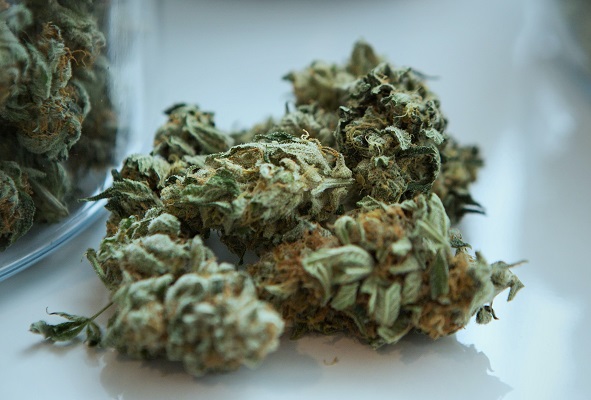
As the medical marijuana landscape continues to evolve across the United States, one group that has been increasingly turning to cannabis for relief is seniors. Whether it’s for managing chronic pain, alleviating anxiety, or treating conditions like arthritis or insomnia, older adults are discovering the benefits of medical marijuana as part of their wellness routines.
While cannabis has traditionally been associated with younger individuals, seniors are now beginning to embrace it as a legitimate treatment option. This emerging trend reflects broader changes in perceptions of cannabis, with many people realizing that it can be a natural, effective alternative to conventional medications, especially for age-related health issues.
The Appeal of Medical Marijuana for Seniors
For many seniors, the primary draw of medical marijuana is its potential to manage chronic conditions that often come with age. Older adults frequently deal with issues like arthritis, joint pain, sleep disturbances, and chronic diseases such as diabetes and heart conditions. Traditional medications, including opioids, often carry the risk of side effects, addiction, or long-term health problems, making medical marijuana a more appealing option for some.
Cannabinoids, the active compounds in cannabis, interact with the body’s endocannabinoid system, which plays a crucial role in regulating many physiological processes such as pain, mood, sleep, and appetite. By targeting the endocannabinoid system, marijuana can provide relief from conditions like pain, inflammation, and anxiety, without the harmful effects of long-term pharmaceutical use.
Benefits of Medical Marijuana for Seniors
- Pain Relief and Anti-Inflammatory Properties
One of the most common reasons seniors turn to medical marijuana is to relieve chronic pain. Conditions such as arthritis, back pain, and neuropathy are common in older adults, and the inflammation that comes with these conditions can lead to discomfort and immobility. Medical marijuana, particularly CBD (cannabidiol), has been shown to have anti-inflammatory effects, which can help alleviate pain and reduce inflammation in the joints and muscles. Many seniors report significant pain relief from marijuana, sometimes reducing or eliminating their reliance on opioids or other pain medications.
- Improved Sleep
Sleep disturbances become more common as people age. Whether due to physical pain, anxiety, or other health issues, seniors often struggle with insomnia or restless nights. THC, the psychoactive compound in marijuana, can help seniors fall asleep faster and stay asleep longer by promoting relaxation and reducing pain. Many seniors find that using medical marijuana before bedtime helps them sleep better and wake up feeling more refreshed.
- Reduction in Anxiety and Depression
As seniors experience the natural challenges of aging—such as the loss of loved ones, declining health, and isolation—they may also face anxiety and depression. Traditional treatments for anxiety, such as benzodiazepines, can have undesirable side effects, including drowsiness and memory problems. CBD, a non-psychoactive component of marijuana, has been shown to have calming effects, which can help seniors manage stress and anxiety without the risk of addiction. THC may also improve mood and reduce symptoms of depression, helping seniors feel more emotionally balanced.
- Appetite Stimulation
Another issue seniors often face is a loss of appetite due to medications, medical conditions, or general aging. This can lead to malnutrition and other health problems. THC has long been known for its ability to stimulate appetite, and many seniors use it to help increase their food intake, ensuring they maintain proper nutrition. This is particularly beneficial for seniors undergoing cancer treatments or those with conditions that affect their appetite.
- Neuroprotection
Some studies suggest that marijuana may offer neuroprotective benefits, which could be valuable for seniors dealing with cognitive decline or conditions like Alzheimer’s and Parkinson’s disease. Cannabis contains compounds that may help protect brain cells from damage and improve cognitive function, making it an area of growing interest for researchers and healthcare providers.
How to Access Medical Marijuana as a Senior
If you’re a senior interested in exploring medical marijuana as a treatment option, the first step is to check the laws in your state. Many states have legalized medical marijuana, but the rules and regulations vary, especially when it comes to qualifying conditions and obtaining a medical marijuana card.
For example, in Texas, seniors who want to use cannabis as part of their healthcare routine need to follow specific steps to obtain a medical marijuana card. To understand how to get a medical marijuana card in Texas, or how to get a Medical Marijuana Card in North Carolina, you need to consult a registered physician who can evaluate your medical history and determine whether cannabis is an appropriate treatment for your condition. If approved, they can apply through the state’s medical marijuana program to receive a card, which allows them to legally purchase marijuana from licensed dispensaries.
Addressing Concerns About Medical Marijuana for Seniors
While the benefits of medical marijuana are clear, many seniors may still have concerns about its use. Some worry about the psychoactive effects of THC, while others may be unfamiliar with how to use cannabis in a way that aligns with their health goals. Fortunately, dispensaries offer a range of products tailored to different needs, including options with low levels of THC and higher levels of CBD.
It’s also important for seniors to work closely with their healthcare providers when considering medical marijuana. Their doctor can help guide them through the process, recommend the best products, and monitor their progress to ensure they are using marijuana safely and effectively.
Final Thoughts
Medical marijuana is emerging as a valuable treatment option for seniors seeking relief from chronic pain, sleep issues, anxiety, and other age-related health problems. As perceptions of cannabis continue to shift and more seniors discover its benefits, it is likely that this trend will continue to grow. With the right guidance and care, medical marijuana can be an important part of a senior’s wellness plan, offering an alternative to traditional medications and improving overall quality of life.
