

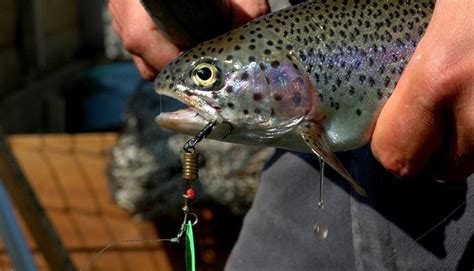
The answer to whether fish feel pain or not is contentious. This is because a lot of people feel differently about it. There’s also the fact that pain is a quite complex part of the brain which can only be perceived. However, this complex concept is related to suffering which is an example of an emotional state.
Considering how complex pain is, it is difficult to determine or measure the presence of pain in another animal or human. Basically, the use of unambiguous observational methods is largely ineffective.
However, there is a conclusion that animals feel pain. This conclusion is inferred on the likelihood of a phenomenal consciousness which was determined by taking a close look at their brain physiology. This observation also considers their physical and behavioral reactions to certain conditions.
Fish fulfill many of the conditions which indicate that non-humans or animals can feel pain. These criteria include the presence of a nervous system and sensory receptors. There are also opioid receptors and they display a lessened response to noxious stimuli when they take in analgesics and local anesthetics.
Furthermore, these animals exhibit physiological changes to noxious stimuli, seemingly protect themselves from sights of danger, display avoidance learning of harmful scenarios, and they try to seek a balance between noxious stimulus avoidance and other motivational requirements.
How Is Pain Experienced?
There are a variety of definitions about pain but virtually all of them include two components, namely: nociception and the feeling of suffering.
The first part of pain involves nociception. Nociception is a concept that allows the body to detect harmful stimuli which leads to a reflex action of the animal or only in that part of the body. Usually, the reflex movement would take the animal further away from the source of harm or pain.
Nociception doesn’t deal with any bodily feelings or pain. It’s simply a reflex reaction away from danger. For instance, humans would rapidly withdraw their finger if it touches an exposed to fire or extremely hot substance. The interesting thing is that the reflex reaction occurs even before the pain to the body is actually felt.
The second part of the definition involves the feeling of suffering or the pain itself. This is a physical and emotional interpretation of the nociceptive experience.
Another example in humans is when the finger starts to hurt even when the hot substance or fire has been avoided. Pain is therefore regarded as a private, emotional experience.
It’s important to note that pain cannot be directly measured in other animals including humans. However, the response to painful stimuli can be measured but not the pain itself.
In order to determine the pain felt by other animals, a subjective test or observation is employed. What is being observed is to determine if the animal responds to stimulus in a similar way to humans. This is usually termed as an analogous experience.
Evidence From Research
The concept of whether fishes feel pain or not will lead to many changes for fishers, anglers, fish scientists, aquarists, and fish farmers. To prove whether fish can feel pain or not, there have been numerous researches.
However, a research team of seven people decided to examine all the available studies related to fish pain. Their aim was to come up with a definite conclusion and discard the misconceptions.
During this research, a lot of discrepancies were identified. But their main conclusions were: Fish are not animals with a complex neurophysiological capacity to feel pain.
Also, a majority of the observations of pain in fish were based on human criteria. Therefore, some points were misinterpreted. Fish do not have a complex anatomical and physiological system like humans. The human body is one of the most complex species on the planet and a fish’s body doesn’t match up to it.
Fishes do not possess a neocortex which makes it harder to conclude if they feel pain or not. Also, certain nerve fibers in terrestrial animals are responsible for sensing intense levels of pain. These fibers are referred to as c-nociceptors.
All primitive cartilaginous fish observed such as rays and sharks completely lack these fibers. In fact, bony fishes which include most common types of fish today such as carp and trout rarely possess these fibers too.
If we take a look at this, it means that fishes don’t have the physiological requirements to consciously feel pain.
However, simple nociceptors are found in bony fish and these animals have been shown to react to injuries or other types of danger. But it remains unclear if the animal perceives this as pain.
What Does This Mean For Anyone Who Uses Fish?
According to the German Animal Protection Act, it’s illegal to consciously inflict pain on any animal or make them suffer harm without due cause. However, such offenses are only considered punishable based on the animal’s ability to feel the pain which is mentioned in § 17 of the same act.
A close look at the research done on this subject indicates that it is unclear if fishes feel pain just like humans do. Therefore, it isn’t considered a punishable offense yet.
However, legally and morally, recent observations about the concept of pain in fishes still make everyone liable to the use of these animals in a socially acceptable way. Yes, it’s unclear if these aquatic animals feel pain but they have to be treated fairly to minimize any form of stress or damage to the fish itself or others in its habitat.
Can fishes feel pain or they cannot? There’s no definite answer to this question yet. Yes, it’s been determined that fish offer some form of response to protect them from danger but it’s nothing like the pain humans feel. Perhaps, more research will shed light on this debate.
In the meantime, fishers, anglers, fish scientists, aquarists, and fish farmers are expected to treat these aquatic creatures in a socially acceptable way.
Here’s what everyone can do to partially wash away the ‘guilt’ – if you’re going fishing, ensure that you’re using the best equipment — since fishing hooks are more or less all pretty much harmful as per their basic design, you can save your fish some pain with the shortest possible fish dragging time when using quality tools like some fastest spinning reels. It’s not really painless but is more tolerable and the fish will appreciate!
*****
From time to time, GraniteGrok accepts content from third parties (posts, or additional links after initial publication) from which we may or may not receive compensation.
