

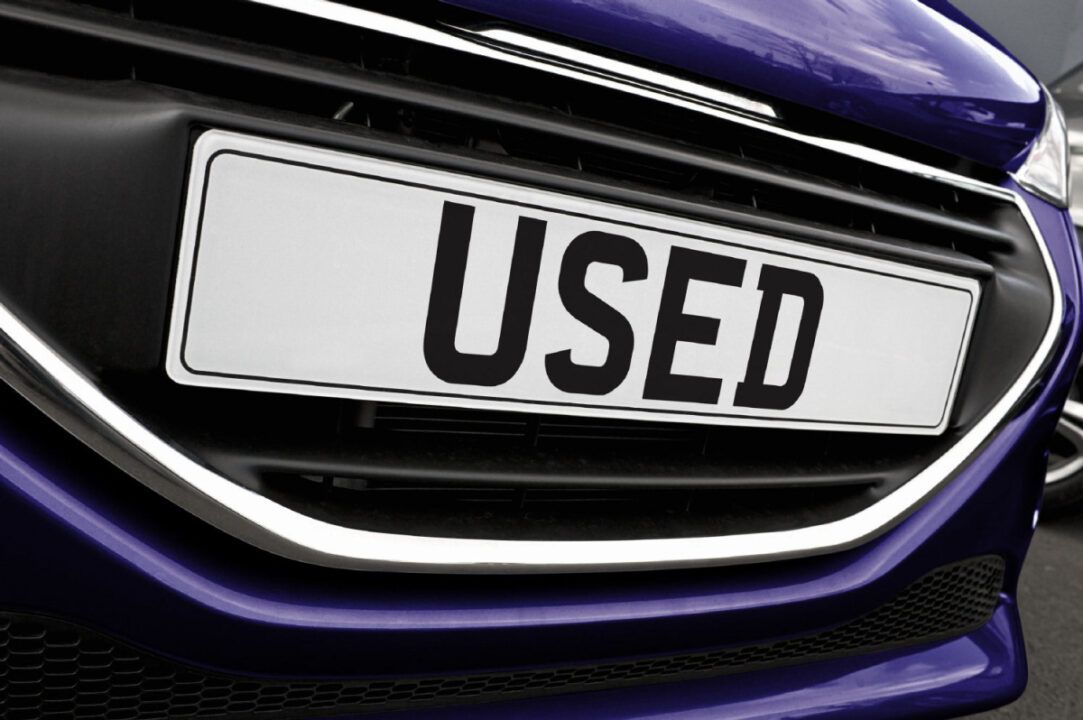
Buying a second-hand car is a great way to get a deal and when done right can save you a lot of money. Used cars don’t have to be 20 years old and made of rust, a car that is only six month old car is still considered used but will be significantly cheaper than a new one. Cars depreciate at a very fast rate – if you buy a new car and drive it out of the dealership you have instantly lost money. A great options when looking for a used car is to choose one that is only a year old or look for a model that has just been discontinued. As long as the number of miles that the car has done isn’t huge then you will be getting almost all of the benefits of a new car at a very healthy discount. You may have a tight budget though and your choices will be more limited to cars that are older. This does not have to be an issue though, you just need to be a bit more careful when checking the car and test driving it before you make a purchase.
Second-hand car history check
Before you buy a used car a very useful tool to take advantage of is a history check which can be done online. The RAC has a tool that can be used to check if there is anything that the current owner either hasn’t told you or isn’t aware of. Up to a quarter of cars have a history that is hidden, which can include it being written off or stolen at some point. These can both be detrimental to you buying it as you have no idea if there is extra damage that is being hidden or that the mileage on the car has been tampered with. These tools can also show you any common reasons that the model you are looking it breaks down and common ways it fails its MOT that you should be extra aware of.
The test drive
Once you have done a full history check of the car and done some manual checks including investigating the bodywork and the electrics you will want to give the car a test drive. This is where you can get the best feel for the condition of that car and if it drives how you would like it to. You can also test any special equipment the owner my have purchased from companies like Gold Farb INC.
Starting the car
When you are test driving the car the first thing to be mindful of is how it starts. If it does not start up straight away there may be an issue with the alternator or the battery. Once the car has started have a look at the temperature reading. If this is already warm then the owner may have started the car already, suggesting that there could be issues starting the car from cold. If possible let the car cool all the way down and then see if it starts fine without being warmed up beforehand. After you have started the car keep an eye on the temperature gauge. This should rise slowly, and rising quickly could be telling of an overheating issue.
Test the clutch
Testing the car somewhere quiet is ideal where you can test the main functions of the car. Start with the clutch. Feel if the biting point is easy to find or if it has to be released a long way to find the bite. Next, try increasing acceleration going up a hill in a high gear to check if the gears slip at all. Try to also test the car’s ability to accelerate quickly from a dead stop and feel for how easily the car handles this. These tests will all give you a good idea if the clutch is in good condition or if it may need replacing soon. This can be expensive so keep it in mind along with the price the owner is expecting for the car.
Transmission and gears
Next it is important to test the gears and the transmission. As you are driving make sure to work your way up and down all of the gears. They should be smooth and the transition between each gear shouldn’t feel crunchy. Also put the car into neutral and make sure the gear stick centres itself. If you are driving an automatic you can do the same tests just by accelerating and reducing speed.
Test the steering
The steering is also key to test. Take the car around some sharp bends in both directions and make sure there are no noises. A good test is to try parking the car at low speeds. Doing this will help you feel the power steering and if it is working correctly. If the wheel is difficult to turn this may be a sign that the power steering is not working correctly. It is also a good idea to find a straight road and make sure that the car does not track to one side or the other if your hands a loosely off the wheel.
Suspension and engine
As you are on your test drive you should also listen to the suspension and the sound of the engine. If possible drive the car over speed bumps or on a bumpy road and see if the suspension absorbs everything as it should. Some cars will have a firm suspension so keep this in mind, and some higher-spec models have different suspension settings so test each of these out in the setting that they were designed for. The engine is one of the most important things to listen to, so make sure to have the radio turned off while you are doing this. Listen to both the engine and the suspension for any unusual sounds. You can also test the performance of the engine, which will depend on the make and model of the car. All cars should be able to accelerate and keep up with traffic in lower gears and cruise at 70 mph when driving on the highway comfortably so test both of these out.
Buying a second-hand car is a great way to get a deal and when done right can save you a lot of money. Used cars don’t have to be 20 years old and made of rust, a car that is only six month old car is still considered used but will be significantly cheaper than a new one. Cars depreciate at a very fast rate – if you buy a new car and drive it out of the dealership you have instantly lost money. A great options when looking for a used car is to choose one that is only a year old or look for a model that has just been discontinued. As long as the number of miles that the car has done isn’t huge then you will be getting almost all of the benefits of a new car at a very healthy discount. You may have a tight budget though and your choices will be more limited to cars that are older. This does not have to be an issue though, you just need to be a bit more careful when checking the car and test driving it before you make a purchase.
Second-hand car history check
Before you buy a used car a very useful tool to take advantage of is a history check which can be done online. The RAC has a tool that can be used to check if there is anything that the current owner either hasn’t told you or isn’t aware of. Up to a quarter of cars have a history that is hidden, which can include it being written off or stolen at some point. These can both be detrimental to you buying it as you have no idea if there is extra damage that is being hidden or that the mileage on the car has been tampered with. These tools can also show you any common reasons that the model you are looking it breaks down and common ways it fails its MOT that you should be extra aware of.
The test drive
Once you have done a full history check of the car and done some manual checks including investigating the bodywork and the electrics you will want to give the car a test drive. This is where you can get the best feel for the condition of that car and if it drives how you would like it to. You can also test any special equipment the owner my have purchased from companies like Gold Farb INC.
Starting the car
When you are test driving the car the first thing to be mindful of is how it starts. If it does not start up straight away there may be an issue with the alternator or the battery. Once the car has started have a look at the temperature reading. If this is already warm then the owner may have started the car already, suggesting that there could be issues starting the car from cold. If possible let the car cool all the way down and then see if it starts fine without being warmed up beforehand. After you have started the car keep an eye on the temperature gauge. This should rise slowly, and rising quickly could be telling of an overheating issue.
Test the clutch
Testing the car somewhere quiet is ideal where you can test the main functions of the car. Start with the clutch. Feel if the biting point is easy to find or if it has to be released a long way to find the bite. Next, try increasing acceleration going up a hill in a high gear to check if the gears slip at all. Try to also test the car’s ability to accelerate quickly from a dead stop and feel for how easily the car handles this. These tests will all give you a good idea if the clutch is in good condition or if it may need replacing soon. This can be expensive so keep it in mind along with the price the owner is expecting for the car.
Transmission and gears
Next it is important to test the gears and the transmission. As you are driving make sure to work your way up and down all of the gears. They should be smooth and the transition between each gear shouldn’t feel crunchy. Also put the car into neutral and make sure the gear stick centers itself. If you are driving an automatic you can do the same tests just by accelerating and reducing speed.
Test the steering
The steering is also key to test. Take the car around some sharp bends in both directions and make sure there are no noises. A good test is to try parking the car at low speeds. Doing this will help you feel the power steering and if it is working correctly. If the wheel is difficult to turn this may be a sign that the power steering is not working correctly. It is also a good idea to find a straight road and make sure that the car does not track to one side or the other if your hands a loosely off the wheel.
Suspension and engine
As you are on your test drive you should also listen to the suspension and the sound of the engine. If possible drive the car over speed bumps or on a bumpy road and see if the suspension absorbs everything as it should. Some cars will have a firm suspension so keep this in mind, and some higher-spec models have different suspension settings so test each of these out in the setting that they were designed for. The engine is one of the most important things to listen to, so make sure to have the radio turned off while you are doing this. Listen to both the engine and the suspension for any unusual sounds. You can also test the performance of the engine, which will depend on the make and model of the car. All cars should be able to accelerate and keep up with traffic in lower gears and cruise at 70 mph when driving on the highway comfortably so test both of these out.
Brakes testing
The final thing to test on your drive in the car is the brakes. If possible find somewhere quiet with no cars around or behind you to test the brakes in an emergency and feel for if the car stops quickly and doesn’t pull to a side. Also test the hand-brake on a hill to make sure that it holds without issue. If the hand-brake is manual see how far you have to pull it an or if it is stiff. Some cars now have electric hand-brakes so make sure to test this as well.
Making your decision
Once you have done your test drive you should have a good idea if you want to buy it or not. Think about how you liked the overall feel of driving the car, if it suits your driving style and how comfortable you were. Can you see yourself being in the car for long periods of time doing longer trips without issue? Is it going to be suitable to fit your family or children in with any additional seating necessary? It the trunk large enough when you are going on vacation with luggage? If you can answer all of these questions that you are ready to make an offer.
How to make an offer on a used car.
A car is a big investment even if it is an old car that you don’t plan on keeping for too long, so don’t rush into a decision. If you are confident though you can make an offer. The best way to do this is to be as professional, fair and polite as possible. There is often a good opportunity to negotiate on the price of a used car, and some sellers will be open to this while others will not be willing to budge on their asking price. Take the seller around the car and mention any of the issues that you have found while testing it. These will help support your reason for negotiating. It is very useful to have researched the car beforehand and know the range of prices that you can expect for the make and model you are looking at. With this information give yourself a budget and stick to it. Don’t feel like you need to buy a car just because you have committed to testing one.
Once you have made your offer the seller will most likely make a counteroffer. You can then negotiate from there. If the seller will not come down to your budgeted amount then be prepared to walk away, as there may be a better option waiting for you elsewhere. If the seller won’t move on price you may be able to negotiate on additional value-adds such as getting the car serviced before you buy out of the sellers pocked or a full tank of gas.
*****
From time to time, GraniteGrok accepts content from third parties (posts, or additional links after initial publication) from which we may or may not receive compensation.
