The Dems and teachers’ unions are pulling out all the stops to oppose a property tax cap in your town, which is odd, given how much they complain about high property taxes.
Multiple instances of electioneering and illegal campaigning have been identified in their quest to oppose Question #2, and the Left couldn’t care less. They’ll get their message out, pay the fines, and take the win they were willing to do anything to get.
Their message is that it still hurts classrooms and students, which isn’t true, but that message sells, especially if it can crowd out every other message. It’s easy, ignores the facts, and doesn’t require you to think it through. Most taxpayers don’t show up to vote in town elections where the spending that jacks up their property taxes is always on the ballot, so asking them in an election with higher turnout has the Dems and Unions terrified.
OMG, you might slow school budget increases from 20% to 10%. Gasp!
You’ve got a chance to slow it. Not stop it. Not cut it. Slow it. And it’s not extreme or crazy at all. Most states already cap or slow school tax growth, so before you vote, take a breath.
•Towns can already adopt a local tax cap. This puts the same kind of limit on the ballot in November. Dems don’t want to allow voters to decide!
•A yes vote caps only the local school levy and the SAU central office (Admin costs cannot exceed 6% of the total budget, and Admin costs have nothing to do with classrooms or learning, and they are chewing up your wallet).
•If passed, the local school tax can still rise by inflation plus new construction (plus other stuff).
•Voters can override the budget cap with 60% (vs. 50% normally)… so it’s relatively easy to do, if that’s what the community wants.
•It has a two-year limit. This cap ends unless voters pass it again, and the whole law expires January 1, 2032.
•The 6% limit on administrative costs does not include classroom teachers, special education, transportation, food service, facilities, or school-based administrators.
The SDGANH has an excellent article on this that you should read and share with your local online groups, including town forums, if allowed.
If a school district or their pro-spending allies claim they cannot operate within the optional HB 1300 tax cap, they are effectively arguing that school property taxes should rise faster than inflation and new construction—even as student enrollment declines. Their message to taxpayers? Pay up!
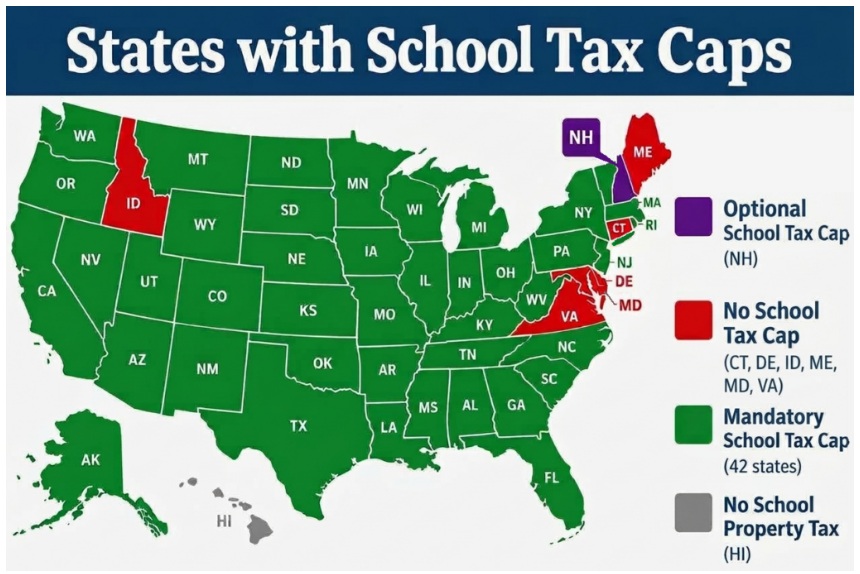
Vote Yes on Question #2 and then, if it passes in your district, pass it again in 2028 or pass something that’s more restrictive. The School side is probably 70% of your property tax bill, and it contrasts with all other spending by sucking all the budget air out of the room.
And you very likely have lower enrolments and miserable academic outcomes.
Schools should earn your dollars instead of viewing them as mandatory tribute.
HB1300 doesn’t even begin to provide the relief you need, but it’s the best we can do for now, and it doesn’t cut spending; it just slows it down a little bit so you can try to keep up.
Vote Yes on question #2.