

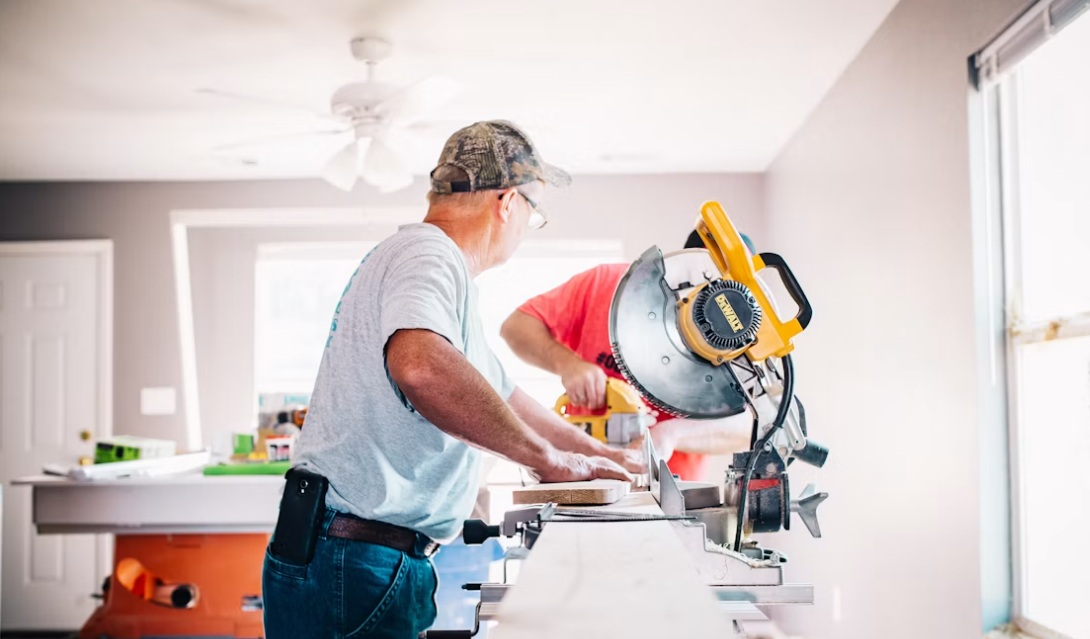
Yes, but it depends; the main risks come from old coatings, insulation, damaged materials, dust, solvents, adhesives, and combustion sources. The property’s age, which materials are disturbed, and how the work area is controlled are also important factors.
Remodeling can make a home safer, more comfortable, and more useful, but demolition and finishing work can also disturb hazardous materials that were previously sealed or left untouched.
Yes, Remodeling Can Release Hidden Hazards
Home remodeling and toxins are connected when construction work cuts, sands, removes, heats, or breaks materials that contain harmful compounds. These contaminants may be released into the air or settle on floors, furniture, vents, and nearby rooms.
The risk is higher in homes built before 1978 because older coatings may contain lead-based paint. Sanding, scraping, or demolition can produce lead dust, which can be swallowed or inhaled. Lead exposure is especially concerning for young children and pregnant people because it can affect the brain and nervous system.
An older home may also contain asbestos in insulation, flooring, textured surfaces, pipe wrap, or other building materials. Mold can become another problem when hidden water damage is uncovered during demolition.
Common Contaminants Found During Renovation
Home renovations trigger toxins and other contaminants when old or damaged materials are disturbed without testing or containment. The most common concerns include:
- Asbestos fibers from insulation, flooring, roofing, or older finishes.
- Mold spores from damp wall cavities, ceilings, or flooring.
- Volatile organic compounds (VOCs) from paints, sealants, adhesives, finishes, and some wood products.
- Silica dust from cutting concrete, tile, brick, stone, or mortar.
- Carbon monoxide from fuel-burning equipment used in poorly ventilated spaces.
- Radon entering through foundations or soil-contact areas.
Not every contaminant is technically a toxic substance, but each can create health risks when exposure becomes high enough. Some irritate the eyes, nose, throat, or lungs. Others can contribute to long-term disease. Asbestos exposure is linked with serious respiratory illness, while radon is a major cause of lung cancer.
At this stage, A2Z Construction Management focuses on separating ordinary construction dust from hazards that require testing, controlled removal, or specialist handling.
How Remodeling Risks Compare
The danger depends less on how large the project looks and more on what the work disturbs. A small bathroom demolition can create more risk than a large cosmetic update if it opens contaminated materials.
| Lower-risk work | Higher-risk work |
| Painting intact modern surfaces | Sanding or removing old coatings |
| Replacing fixtures | Breaking old tile, plaster, or insulation |
| Installing new cabinets | Cutting concrete or masonry indoors |
| Updating trim | Opening damp or mold-damaged walls |
| Replacing flooring over clean surfaces | Removing unknown older flooring or adhesives |
Searches such as “poison toxins renovation house” often reflect the same practical question: Can normal remodeling expose occupants to harmful substances? The answer is yes, but testing and work controls can reduce that risk.
How to Reduce Exposure Before and During Work
The safest approach starts before demolition. Test questionable materials when the age or history of the property makes contamination possible.
Useful controls include:
- Seal the work area from occupied rooms with plastic barriers and closed doors.
- Use HEPA-equipped tools and vacuums for dust-producing tasks.
- Keep children, pets, and vulnerable occupants away from active work zones.
- Ventilate painting and finishing areas without pushing contaminated air into clean rooms.
- Avoid dry sweeping, which can redistribute fine particles.
- Store chemicals in their original containers and never mix cleaning products or solvents.
- Use qualified professionals for asbestos, major mold problems, and other regulated hazards.
Home renovators should also think about heating, cooling, and return-air vents. Dust can travel through ductwork if registers remain open during demolition. Covering vents in the work zone and cleaning affected components afterward helps protect indoor air quality.
When Professional Help Is the Safer Choice
Some renovation projects can be handled with basic dust control, but others require trained contractors or environmental specialists. Professional help is the better choice when testing confirms asbestos, when large areas of mold are present, or when deteriorated coatings may create lead poisoning risk.
For homeowners planning more extensive renovation work, consulting a home remodeling contractor in Bergen County can also help identify which parts of the project may require additional testing, specialized handling, or coordination with environmental professionals.
The goal is not simply to remove the material. Workers must contain debris, prevent cross-contamination, use proper protective equipment, and dispose of waste correctly. If lead hazards are present, crews should know how to work lead safely instead of relying on ordinary sanding and cleanup methods.
Professional testing can also help when a property has unexplained odors, visible contamination, repeated moisture problems, or occupants who experience symptoms that worsen during construction.
What to Do After the Remodel
Cleanup should continue after the noisy work ends. Fine dust can remain on horizontal surfaces, inside cabinets, around windows, and in ventilation pathways. Vacuum with HEPA equipment, damp-wipe hard surfaces, wash exposed fabrics when appropriate, and replace HVAC filters if the system operated during the project.
Allow new paints, coatings, flooring, and cabinetry to off-gas with good ventilation before sensitive occupants spend long periods in the area. If hazardous materials were removed, consider clearance testing before treating the project as complete.
A remodel does not automatically make a house dangerous. The real risk comes from disturbing hidden contaminants without identifying them first. Testing, containment, ventilation, careful cleanup, and qualified help when needed can keep the project focused on improving the home without creating a new exposure problem.
