

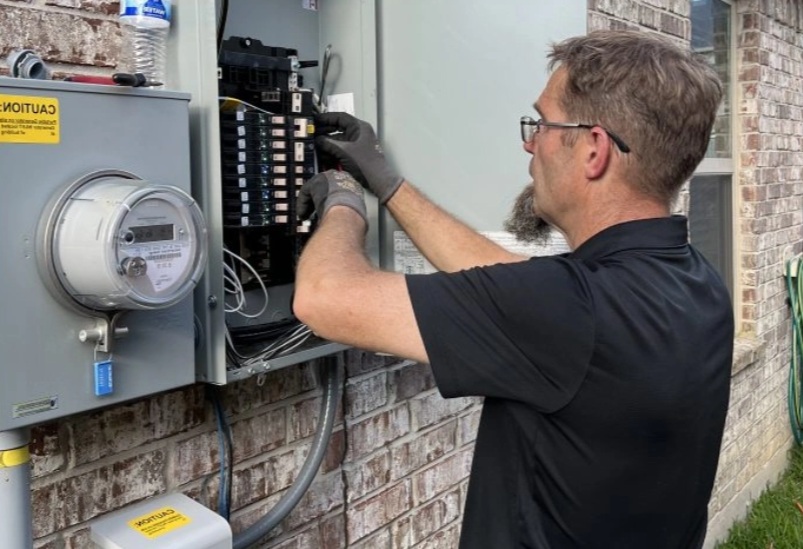
A safe electrical system starts with the right wires, circuits, grounding, and protective devices. Professional wiring helps ensure each part of the system matches the building’s power needs. Good planning can lower the risk of overheating, shocks, electrical faults, and fires. The exact setup depends on the property, the project, and local electrical rules.
Key Takeaways
- Professional wiring depends on proper wire size, safe circuit design, grounding, and the right protective devices.
- Residential and commercial buildings have different wiring needs based on power use, equipment, and panel capacity.
- Common wiring problems include loose connections, damaged wires, poor grounding, and wires that are too small for the load.
- A licensed electrician should handle major work such as panel changes, service upgrades, and new commercial circuits.
Wiring Types and Conductor Sizing
Each electrical wire must be able to carry the current the circuit needs. Wire size, material, insulation, and location all affect how safely it can work. A wire that is too small may heat up under heavy use.
Important factors include:
- Wire gauge and conductor material
- Circuit amperage and expected load
- Heat and surrounding conditions
- Cable, raceway, or conduit needs
Check these factors as part of the same system. The wire, breaker, and connected equipment must all match the expected electrical load.
Cable, Conduit, and Raceway Choices
Wires also need the right physical protection for their installation location. Some projects use cable assemblies, while others route individual conductors through conduit or another raceway. The best method depends on the building, environment, and access needs.
Common options may include:
- Cable assemblies for suitable residential applications
- Metal or nonmetallic conduit
- Flexible raceways for certain equipment connections
- Raceway systems that protect and organize conductors
Commercial projects often rely more heavily on raceway systems because wiring may need added protection or easier access for future changes. NEC Article 300 covers general requirements for conductors, cables, raceways, and other wiring methods.
When choosing a wiring method, consider moisture, heat, physical damage, building materials, and expected maintenance. These conditions can affect which products and installation methods are suitable.
Panels, Circuits, and Load Planning
Electrical panels send power to separate circuits throughout a home or commercial property. Breakers protect those circuits when current flow becomes too high. Size each circuit for the devices and equipment it will serve.
A basic wiring plan should consider:
- Available electrical service
- Lighting and outlet circuits
- Dedicated circuits for equipment
- Future power needs
Commercial buildings often require more detailed planning. HVAC units, lights, computers, and machinery may all run at the same time. Proper load planning helps divide that power demand across the system.
For more complex projects, working with an experienced electrical professional such as Barret Abramow can help ensure that circuit design and load planning account for both current and future power needs.
Grounding and Electrical Safety
Grounding gives unwanted electrical current a safer path through the system. This helps breakers and other protective devices react when a fault occurs. Good grounding can also reduce the risk of shock and equipment damage.
Common safety steps include:
- Proper equipment grounding
- Correct breaker sizes
- Secure boxes and wire connections
- Wiring methods made for the location
These steps help protect the system during construction and after the building is in use. They can also help reduce problems as power needs change over time.
Circuit Protection and GFCI Requirements
Circuit protection does more than prevent a breaker from carrying too much current. Different devices respond to different electrical hazards, so the type of protection matters. GFCI protection, for example, shuts off power when it detects current leaking from its normal path.
AFCI protection serves a different purpose. It helps detect electrical arcing that may occur from damaged wiring or poor connections. The NEC requires both GFCI and AFCI protection in certain residential and other building applications.
The exact protection needed depends on the circuit, location, building type, and code adopted in the area. A professional wiring plan should account for these requirements before breakers, outlets, and circuits are installed.
Residential vs. Commercial Wiring
Residential wiring usually serves lights, outlets, appliances, and HVAC systems. Commercial projects often involve larger electrical loads, more circuits, and equipment with higher power demands.
For new construction, renovations, or system upgrades, contractors such as Grounded Electric can handle residential and commercial electrical work, including wiring, panel upgrades, lighting, and other electrical systems. The right wiring plan should reflect the property’s power needs, equipment, building type, and local code requirements.
Avoiding Common Wiring Problems
Many electrical problems start with poor planning or incorrect installation. Common issues include loose connections, damaged wires, poor grounding, and undersized conductors. Even a pro wire product cannot fix a circuit that was designed for the wrong load.
The term wire usa may appear when searching for electrical products or suppliers. Product quality matters, but every part of the system must work together. Wires, breakers, panels, boxes, grounding, and connected equipment all affect safety.
When to Call an Electrician
A licensed electrician should complete some electrical jobs. These may include new circuits, panel work, service upgrades, commercial wiring, and major remodeling projects. Permit and inspection rules may also apply depending on the location.
A qualified electrician can review the load, choose the right wiring method, and spot safety concerns before work begins. This can help with new construction, renovations, and projects that add large electrical equipment.
Professional wiring should meet current power needs while also supporting safe and reliable use over time.
