

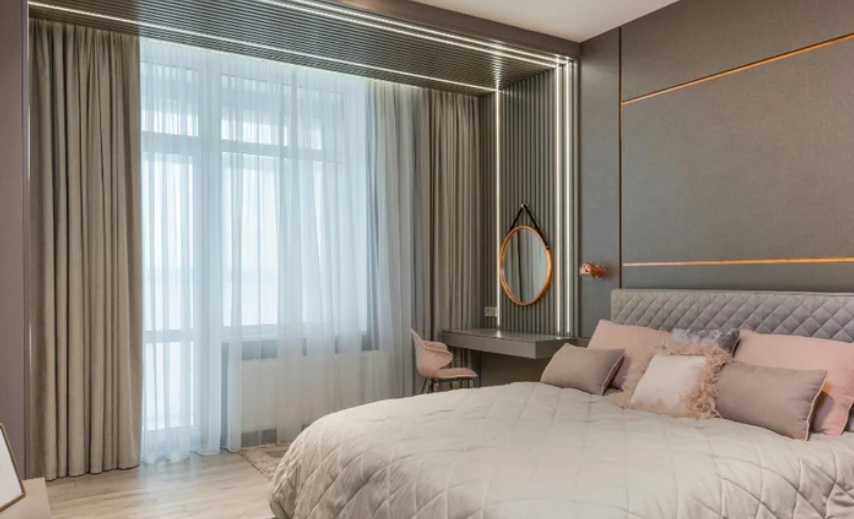
Sometimes a room starts feeling different after one small change. A chair moves closer to the window. A heavy decorative piece disappears. The space suddenly feels calmer. That same quiet shift is shaping curtains northern beaches choices as homes move toward softer fabrics and less formal interiors. Nothing needs to look carefully staged. It simply needs to feel comfortable enough for ordinary life.
Rooms Feel Better with Less Fuss
A relaxed room rarely comes from filling every empty corner. It often comes from knowing what can stay simple. Curtains play a quiet part in that feeling because they sit in the background of everyday routines.
People open them while tidying the room. They close them when privacy matters. After a while, the movement becomes automatic. Good interior choices often work this way. They become familiar without constantly asking for attention.
Softer Fabrics Change Daily Atmosphere
Heavy window coverings can make a casual space feel more formal than intended. Softer materials create another mood. They move gently and allow the room to feel less fixed.
There is something familiar about fabric that falls naturally rather than sitting perfectly still. Small folds change throughout the day. Light moves across them. The room feels lived in rather than arranged for display.
That slight looseness suits interiors built around comfort. Furniture does not need to match perfectly. Colours can sit quietly beside each other. The whole space feels easier to maintain.
Natural Light Becomes Part of Routine
Light changes a room constantly. Bright afternoons may need more cover while softer periods invite the curtains to stay open. People naturally adjust them without giving the action much thought.
This everyday habit shapes how a home feels. Sheer materials can soften strong daylight while thicker cloth creates a quieter setting when needed. Neither choice has to dominate the room.
The useful part is flexibility. A window can feel open at one moment and private later. That simple rhythm makes the interior respond naturally to ordinary household life.
Calm Colours Set an Easy Mood
Colour does not always need to make a statement. Warm whites and sandy shades often work because they settle gently beside common furniture. Soft grey and muted earthy tones can create the same restrained effect.
Patterns still have a place. Smaller designs tend to feel easier in rooms already carrying artwork or textured furniture. Plain cloth often suits spaces where other details provide enough character.
The goal is not perfect coordination. It is visual comfort. When colours stop competing for attention, the room often feels calmer without looking empty.
Small Details Shape Familiar Spaces
Curtain length and placement can quietly change how a room is experienced. Fabric that falls close to the floor often feels settled. Wider panels create softer folds when closed.
| Interior Detail | Relaxed Choice | Everyday Effect |
| Fabric weight | Light to medium | Keeps the room visually softer |
| Colour direction | Warm neutral | Blends easily with familiar furnishings |
| Curtain length | Near floor level | Creates a settled appearance |
| Pattern scale | Small or plain | Reduces visual crowding |
| Daylight control | Layered fabric | Allows simple changes through the day |
| Hanging style | Natural folds | Keeps windows looking informal |
These details become noticeable over time rather than immediately. That matters in homes designed around daily comfort. The strongest choices are often the ones people stop thinking about because they simply fit.
Everyday Comfort Guides Curtain Decisions
There is also a practical side to relaxed styling. People still think about cleaning and changing sunlight. They consider privacy too. These ordinary concerns influence what remains comfortable months after decorating is finished.
In the final stages of planning curtains northern beaches can feel less like a decorative purchase and more like part of the room’s normal routine. The fabric opens. Daylight enters. Later, the curtains close and the space becomes quieter.
A few simple habits help maintain that easy feeling:
- Gentle cleaning keeps fabric looking natural without constant heavy care.
- Regular opening prevents folds from remaining pressed in one position.
- Simple colours make later furniture changes easier to work around.
- Suitable lengths keep everyday movement around windows more comfortable.
- Light fabrics can make casual shared rooms feel less visually crowded.
Simple Questions People Often Have
- Should curtains always match wall colours? Not necessarily. Similar tones feel calm while gentle contrast can add depth.
- Are plain curtains better for relaxed rooms? Plain fabric often feels quieter, but subtle patterns can work comfortably too.
- Do longer curtains make rooms formal? Not always. Soft floor-length fabric can still feel casual and natural.
- Are sheer curtains useful every day? They soften daylight while allowing rooms to retain an open feeling.
- Should every room use matching curtains? No. Related colours can create connection without making every space identical.
A Home That Settles Naturally
The nicest rooms often become comfortable slowly. A table finds a better position. A favourite chair stays where the light feels right. Curtains become part of that same gradual process. They open and close without ceremony. Their colour starts to feel familiar. The fabric becomes part of the background rather than the centre of attention. That is where relaxed interiors find their character. They are shaped through repeated routines and small choices that con
