

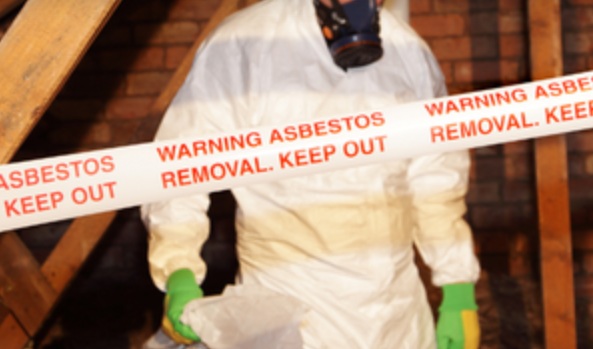
Finding asbestos on a job site can stop a project quickly, especially in older Toronto homes, commercial buildings, schools, multi-unit properties, and industrial spaces. It often happens during demolition, flooring removal, ceiling work, wall openings, pipe insulation removal, or restoration work. One contractor disturbs old tile, plaster, drywall compound, pipe wrap, or insulation, and suddenly the job becomes a safety and compliance issue. To avoid delays, exposure risks, and stop work orders, the right next step is not to keep working. It is to pause, assess the material, and bring in the proper professionals for testing, reporting, and asbestos removal in Toronto when needed.
Stop Work in the Affected Area
If a material may contain asbestos, stop work in that area right away. Do not cut, sand, scrape, drill, sweep, vacuum, or remove the material until it has been properly assessed. Disturbing asbestos-containing materials can release fibres into the air, creating risks for workers, occupants, tenants, and future trades.
This does not always mean the entire project has to shut down. If the affected material is isolated and other areas are safe, work may be able to continue elsewhere. But the suspected area should be treated as restricted until testing or professional assessment confirms what is present.
The faster the site is controlled, the easier it is to prevent a small discovery from becoming a larger shutdown.
Do Not Guess Based on Appearance
Asbestos cannot be confirmed by appearance alone. It may be present in older floor tiles, ceiling texture, drywall compound, plaster, pipe insulation, duct wrap, adhesives, roofing materials, fireproofing, and mechanical room materials.
Some asbestos-containing materials look completely ordinary. Other materials may look suspicious but test negative. Guessing can cost time and create liability. Proper sampling and lab testing are the only reliable way to confirm whether asbestos is present.
This is why pre-renovation planning matters. Before demolition or major construction in an older building, a designated substance survey can help identify hazardous materials before trades begin opening walls, removing finishes, or disturbing concealed building components.
Get the Right Reports Before Moving Forward
Stop work orders often happen when a project team cannot show that hazardous materials were properly identified and managed. Documentation is what helps prove that the right steps were taken.
Depending on the building and project, you may need:
- Asbestos sampling results
- A designated substance survey
- A written abatement scope of work
- Worker safety procedures
- Waste handling and disposal records
- Clearance or post-abatement documentation, when required
- Communication records for trades and site supervisors
A designated substance survey is especially important for construction, renovation, and demolition projects because it helps identify materials that may affect worker safety and project planning. It can also help contractors quote more accurately and reduce the risk of unexpected delays once work begins.
Bring in Qualified Asbestos Abatement Professionals
Once asbestos is confirmed, removal should be handled by trained professionals using proper containment, equipment, procedures, and disposal methods. This is not a job for general labourers or untrained trades.
Professional asbestos abatement may involve:
- Isolating and containing the work area
- Using negative air pressure where required
- HEPA-filtered equipment
- Wet removal methods
- Protective equipment
- Controlled waste packaging
- Proper transportation and disposal
- Final cleaning and verification
The scope depends on the type of material, where it is located, how much is affected, and whether it has already been disturbed. Friable materials, damaged asbestos, and materials near active work zones usually require a more careful approach.
For contractors and property owners, hiring a professional team for asbestos removal in Toronto helps keep the project safer, more organized, and better prepared for inspection or documentation requests.
Communicate Clearly With Everyone On-Site
Once asbestos is found, everyone involved needs to know what is happening. Do not rely on word of mouth. Site supervisors, property managers, trades, tenants, and owners should understand which area is restricted, what work is paused, and when it is safe to continue.
Before work resumes, confirm:
- The affected area has been assessed
- Test results or reports are available
- Abatement has been completed where required
- The work zone has been cleaned or cleared
- Trades know which materials cannot be disturbed
- The project schedule has been updated
Clear communication helps prevent a second exposure issue after the first one has already been handled.
