

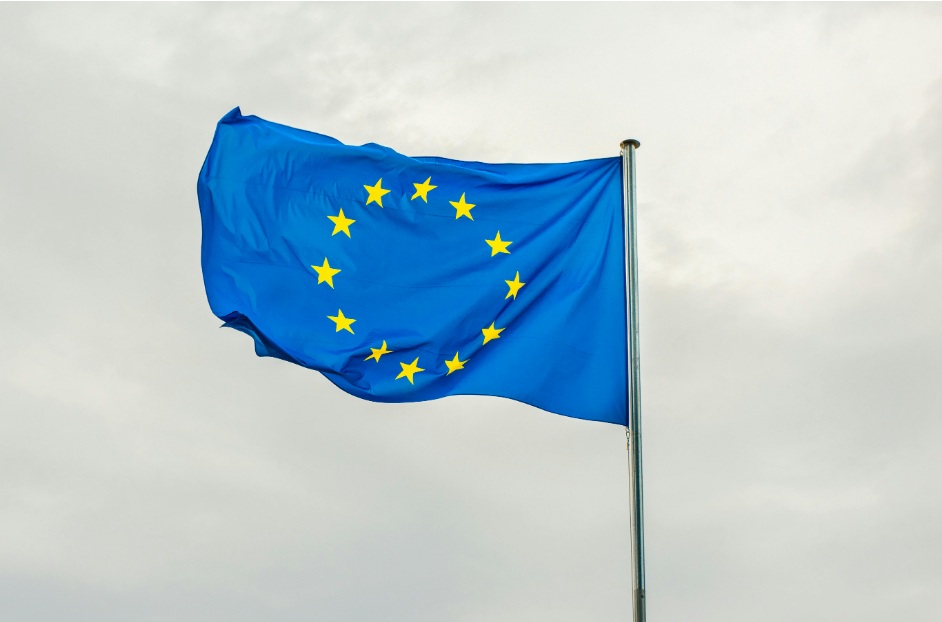
The European Union is initiating a new round of regulations that could change the face of iGaming across its member countries. Such developments are timely because online gambling is growing at a rapid pace due to heightened technological innovation, a shift in consumer behavior, and the adoption of online payment systems. Policymakers are also weighing the need to protect consumers against the need to support innovation within the industry, and operators, regulators, and players are observing closely.
In this changing regulatory grid, the term Kasino is not only a type of entertainment but also a hub of economic action, consumer interaction, and regulatory analysis that may be altered through new EU directives.
The suggested EU rules aim to harmonize certain aspects of licensing, advertising, and consumer protection, while leaving member countries with control over national peculiarities. This trade-off between harmonization and local autonomy captures the intricacy of designing rules that can be relevant across jurisdictions (as diverse as Denmark, Germany, Spain, and the Baltics). In the iGaming industry, which includes online sportsbooks, Kasino, and support technology vendors, these changes may restructure the competitive landscape, consumer rights, and operational frameworks across the entire European market.
A Push Toward Harmonized Consumer Protection
Consumer protection is a priority of the future EU regulatory framework. The existing laws on iGaming in the EU vary widely across countries. Other markets have more permissive regimes, as some operate strong frameworks with strict age verification, self-exclusion features, and advertising restrictions. The regulators are increasingly concerned about problem gambling, financial transparency, and the protection of vulnerable populations.
Standardized consumer protection standards will set minimum requirements that all licensed operators serving EU consumers must follow. These requirements may involve the use of uniform procedures of age check, compulsory self-exclusion lists, which are operable beyond national boundaries and stricter rules on data protection. In the case of Kasino platforms, this transition will entail integrating technology and compliance measures that comply not only with local regulations but also with EU-wide standards.
Meanwhile, regulators are acutely aware that excessive restrictions may kill innovation or push players towards unlicensed offshore providers. The appropriate balance between protection and participation is one of the goals that must be found, as legitimate platforms can flourish with minimal harm.
Advertising and Marketing – Toward Stricter Controls
Marketing and advertising operations are another point of suggested EU iGaming regulations. In Europe, there has been an increased public outcry regarding gambling advertisements, especially in their capacity to affect young people. The regulatory proposals would likely include standardized restrictions on the placement of gambling advertisements, clear disclosures of risks, and provisions on responsible messaging.
In the case of Kasino operators that may need to reconsider sponsorship arrangements, social media marketing, and marketing messages to meet their new cross-border standards. Operators that have been overly aggressive in their marketing and extensive digital promotion might need to shift to more instructive and conscientious engagement strategies.
These reforms are not meant to limit competition but just to make the playing field more even. Through regulation of the rules of advertisements, the EU hopes to avoid a situation where markets may be flooded with unregulated gambling advertisements and ensure that operators concentrate on value, safety and trust by the user.
Taxation and Competitive Balance
Tax policy already plays a vital role in determining the location and mode of operation of Kasino operators. The debates surrounding iGaming regulation in the EU can address tax harmonization, or at least recommendations that would support the fairness and transparency of taxation across member states.
An integrated system of taxation may eliminate distortions caused by operators taking a competitive advantage through tax differentials. It might also strive to resolve the issues that market constraints in certain jurisdictions, owing to excessive tax rates, or that drive players to unlicensed offerings.
Nevertheless, taxation is highly sovereign within the individual EU nations. Every state relies on its tax policy as an instrument for national finances, social goals, and economic planning. Thus, the work of EU regulators is likely to focus on transparency and anti-avoidance principles rather than on creating equal tax rates.
Technology and Integrity – Anti-Fraud and AML Measures
Technology is not only an enabling factor in a digitalized economy but also a risk factor. The iGaming industry continues to struggle with fraud, money laundering, and cybersecurity threats. The EU regulators will likely impose more stringent requirements on the Kasino operators to implement robust anti-fraud measures, real-time monitoring, and full-fledged AML (anti-money laundering) practices.
Moreover, these advances can encompass the mandatory use of advanced transaction monitoring software, mandatory reporting of suspicious activity, and enhanced collaboration with financial companies. The operators will also likely have to invest more in compliance and risk-detection technologies, which will create both cost pressure and innovation opportunities.
All these measures are also meant to foster public confidence in the legitimacy of licensed operators. The lack of trust in the market can be mitigated by ensuring integrity protection to facilitate increased participation and discourage unregulated substitutes.
Cross-Border Licensing and Market Accessibility
Among the most significant implications of the proposed EU iGaming regulation is the potential for more aligned licensing jurisdictions. As it stands now, operators who want to operate in more than one EU market usually need to obtain separate licences in each country where they would like to operate. This model creates significant administrative complexity, control redundancy, and market access barriers.
The new structure being discussed could encourage reciprocal recognition of licences, or even a pan-EU licence that would allow operators to enter various markets with a single regulatory approval. This would reduce overheads and significantly increase regional expansion for Kasino operators.
A more open licensing system would encourage innovation and competition for both smaller and new operators who have previously had difficulty with the high cost and complexity of entry into multiple jurisdictions.
Consumer Choice and Competitive Dynamics
Finally, the suggested EU rules are expected to transform the competition processes in the iGaming sector. Probably, larger operators, which have more comprehensive compliance budgets and technological backgrounds, are in a better position to adapt quickly to new requirements. Simultaneously, lower licensing complexity may allow more innovative start-ups to enter the market more easily, resulting in greater diversity and consumer choice.
For players, increased consumer protection, clearer advertising standards, and higher integrity can make the gaming industry safer and more predictable. The casino platforms that actively take these changes are expected to enjoy increased consumer loyalty and trust.
A New Era for iGaming in Europe
The impending EU iGaming legislation is one of the major changes in the European gambling landscape in many years. The reforms will affect the strategies, competitiveness, taxation, anti-fraud measures, and licensing structures of the operators, as they have implications for consumer protection.
Stakeholders in the iGaming industry will be required to remain alert and responsive as policymakers work on the proposals. For both casino operators and consumers, the changing regulatory landscape presents challenges and opportunities as the market grows, innovates, and integrates in the digital age.
Ultimately, the following chapter in the history of European online gaming is not only being composed in boardrooms and casinos, but in regulatory corridors that will, in the near future, perhaps well shape the rules of engagement over the coming several years.
